
7 Essential Facts About Fibroid Surgery in Thrissur
Fibroid Surgery in Thrissur is a treatment option for women experiencing symptoms such as heavy menstrual bleeding, pelvic pain, pressure, frequent urination, or fertility-related concerns due to uterine fibroids. In Kerala, many women seek timely gynecological evaluation when fibroid symptoms begin to affect daily comfort, menstrual health, or reproductive planning.
Uterine fibroids are common non-cancerous growths that develop in or around the uterus. Some fibroids remain small and may not cause symptoms, while others can grow larger and lead to discomfort or complications. The need for Fibroid Surgery in Thrissur depends on the size, number, location, symptoms, age, and future pregnancy goals of the patient.
What Are Uterine Fibroids?
Uterine fibroids are non-cancerous growths that form from the muscle tissue of the uterus. They are also called myomas or leiomyomas. Fibroids can appear as a single growth or multiple growths.
Fibroids may vary in:
- Size
- Number
- Location
- Growth speed
- Symptoms
- Effect on periods and fertility
Not every woman with fibroids needs surgery. Some fibroids only require regular monitoring. However, Fibroid Surgery in Thrissur may be considered when symptoms are severe, repeated, or affecting quality of life.
Why Fibroid Surgery in Thrissur May Be Needed
Fibroid Surgery in Thrissur may be advised when medicines or observation are not enough to manage symptoms. Surgery may help remove fibroids, reduce bleeding, relieve pressure, or manage fertility-related concerns depending on the patient’s condition.
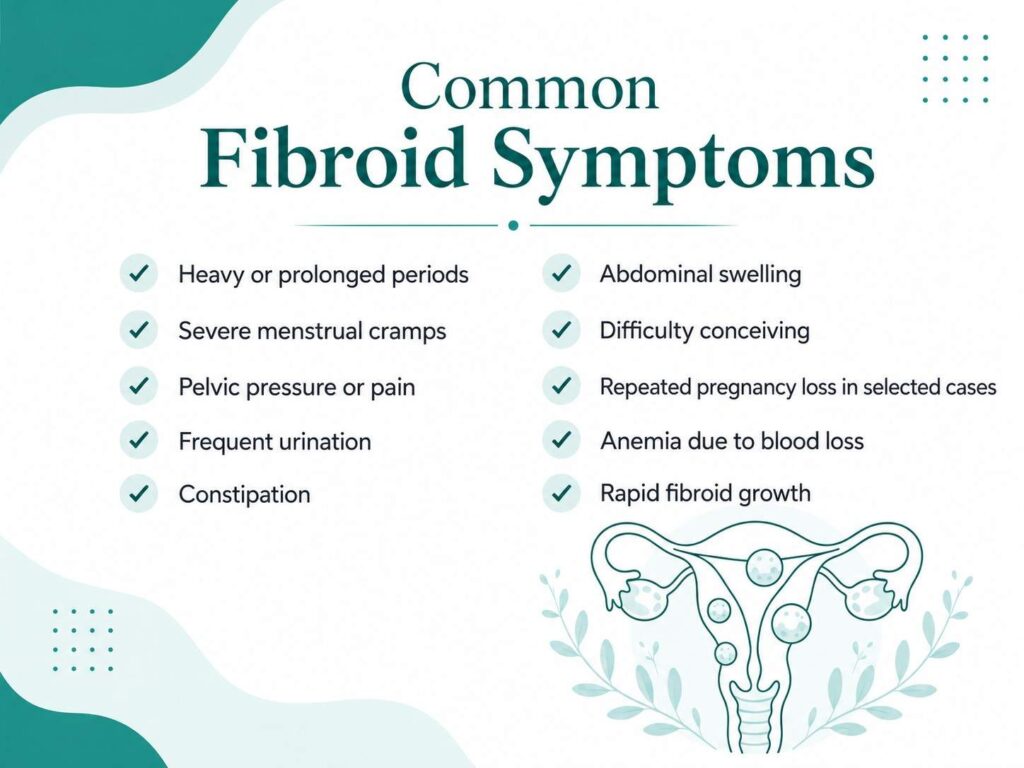
Surgery may be considered when fibroids cause:
- Heavy or prolonged periods
- Severe menstrual cramps
- Pelvic pressure or pain
- Frequent urination
- Constipation
- Abdominal swelling
- Difficulty conceiving
- Repeated pregnancy loss in selected cases
- Anemia due to blood loss
- Rapid fibroid growth
The decision for Fibroid Surgery in Thrissur should be based on proper diagnosis and medical evaluation.
Different Fibroid Locations and Why They Matter
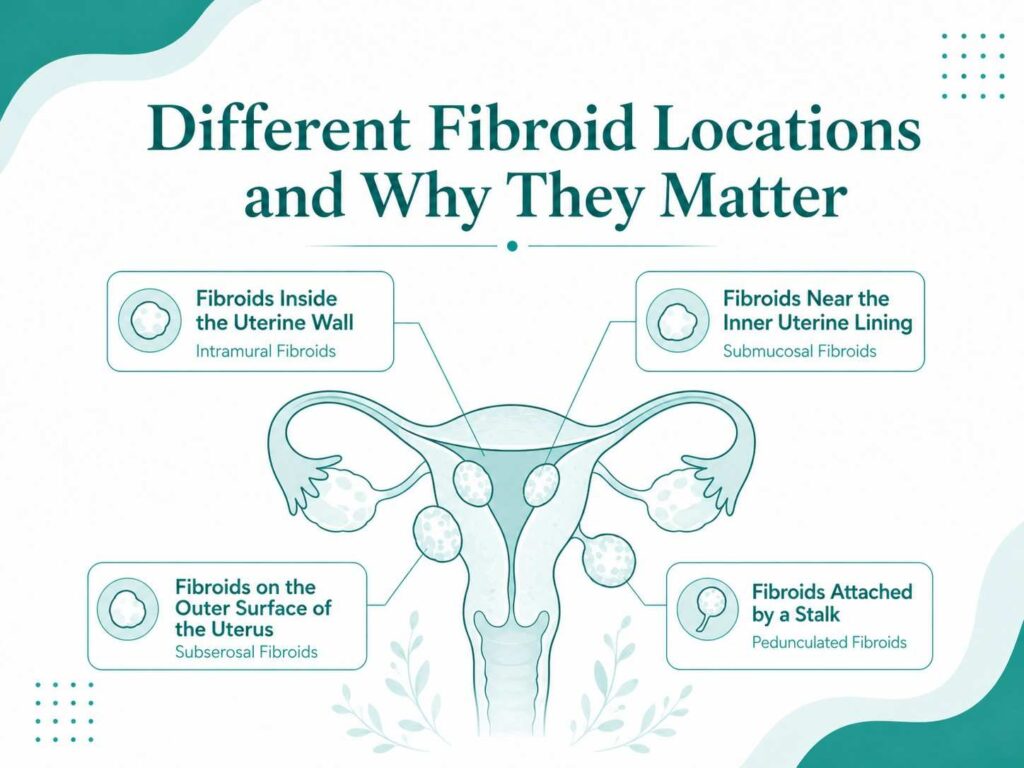
The location of a fibroid plays a major role in deciding treatment. This is one reason why proper scanning and evaluation are important before Fibroid Surgery in Thrissur.
- Fibroids Inside the Uterine Wall
These are called intramural fibroids. They grow within the muscular wall of the uterus. When they become large, they may cause heavy bleeding, pelvic heaviness, or an enlarged uterus.
- Fibroids Near the Inner Uterine Lining
These are called submucosal fibroids. They may cause heavy periods, bleeding between periods, or fertility-related concerns even when they are not very large.
- Fibroids on the Outer Surface of the Uterus
These are called subserosal fibroids. They may press on the bladder, bowel, or pelvic area. Some women may feel bloating, back pain, or frequent urination.
- Fibroids Attached by a Stalk
These are called pedunculated fibroids. They grow on a stalk-like attachment. In some cases, they may cause sudden pain if the stalk twists.
Understanding these differences helps the doctor decide whether observation, medicine, minimally invasive care, myomectomy, or another form of Fibroid Surgery in Thrissur may be suitable.
Why Do Fibroids Develop?
The exact cause of fibroids is not completely known. However, doctors understand that several factors may influence their growth.
- Hormonal Changes
Estrogen and progesterone are female hormones that affect the uterus. These hormones may support fibroid growth during reproductive years.
- Family History
Fibroids may be more common in women whose mother, sister, or close female relatives had them.
- Age Group
Fibroids are often diagnosed in women between their late 20s and 40s, though they can occur at different ages.
- Body Weight and Lifestyle
Excess body weight may influence hormone balance in some women. A healthy lifestyle may support overall reproductive health, though it cannot always prevent fibroids.
- Reproductive History
Fibroids can occur in women who have had children and women who have not. Fertility plans are important when deciding treatment.
Symptoms That Should Not Be Ignored
Some fibroids do not cause symptoms. Others may slowly create problems that women adjust to over time. However, repeated symptoms need medical attention.
Common symptoms include:
- Heavy menstrual bleeding
- Long periods
- Severe menstrual cramps
- Pelvic pressure
- Lower abdominal pain
- Lower back discomfort
- Frequent urination
- Constipation
- Pain during intercourse
- Abdominal bloating
- Tiredness due to blood loss
- Difficulty becoming pregnant
- Repeated pregnancy concerns in selected cases
When these symptoms interfere with work, sleep, travel, family life, or emotional comfort, a gynecology consultation is important. Fibroid Surgery in Thrissur may be discussed only after a full assessment.
How Fibroids Are Diagnosed
A clear diagnosis helps avoid unnecessary treatment and supports safer planning for Fibroid Surgery in Thrissur.
Detailed Symptom Discussion
The doctor may ask about period flow, pain, cycle length, pregnancy history, previous treatments, and family history.
Pelvic Examination
A pelvic examination may help identify uterine enlargement or tenderness.
Ultrasound Scan
Ultrasound is commonly used to find fibroids. It helps measure size, number, and location.
Blood Tests
If bleeding is heavy, blood tests may be advised to check hemoglobin levels and anemia.
Main Types of Fibroid Surgery in Thrissur
The type of Fibroid Surgery in Thrissur depends on the fibroid size, number, location, symptoms, and reproductive goals.
Myomectomy
Myomectomy removes fibroids while keeping the uterus in place. This may be suitable for women who want to preserve the uterus or plan future pregnancy.
Myomectomy may be done through:
- Laparoscopic method
- Open abdominal method
- Hysteroscopic method
Laparoscopic Fibroid Surgery
Laparoscopic surgery is a minimally invasive approach. Small cuts are made, and a camera helps guide the procedure.
Possible advantages may include:
- Smaller cuts
- Less visible scarring
- Shorter hospital stay in suitable cases
- Quicker movement after surgery
- Reduced recovery discomfort for some patients
Not all fibroids are suitable for laparoscopy. The doctor decides based on scan findings and patient condition.
Hysteroscopic Fibroid Surgery
This method is usually used for fibroids inside the uterine cavity. It is performed through the vaginal route without cuts on the abdomen.
It may be suitable for selected submucosal fibroids that cause heavy bleeding or fertility concerns.
Hysterectomy
Hysterectomy means removal of the uterus. It may be considered when symptoms are severe, the patient does not plan future pregnancy, or other treatments are not suitable. This is a major decision and should be discussed clearly with the doctor.
Benefits of Timely Fibroid Treatment
Timely evaluation and treatment can help women avoid long-term discomfort. Fibroid Surgery in Thrissur may support better health when symptoms are affecting daily life.
Possible benefits include:
- Better control of heavy bleeding
- Relief from pelvic pain
- Reduced pressure on bladder or bowel
- Improved comfort during movement
- Correction of fibroid-related uterine distortion
- Better management of anemia
- Improved reproductive planning in selected cases
- Better quality of life
The benefit depends on the type of fibroid, treatment method, and overall health condition.
Recovery After Fibroid Surgery
Recovery after Fibroid Surgery in Thrissur depends on the type of procedure. Laparoscopic and hysteroscopic procedures may have shorter recovery periods compared to open surgery. However, healing varies for each patient.
After Surgery, Patients May Be Advised To:
- Take prescribed medicines correctly
- Avoid heavy lifting for the advised period
- Rest well during early recovery
- Eat nutritious food
- Drink enough water
- Attend follow-up visits
- Report fever, severe pain, or heavy bleeding
- Avoid strenuous activity until medically allowed
The doctor will guide when to return to work, exercise, travel, and normal routines.
Why Early Evaluation Matters
Many women delay care because they think heavy periods or pelvic pain are normal. However, untreated fibroids may sometimes lead to worsening symptoms.
Delayed care may increase the risk of:
- Severe anemia
- Increased pain
- Larger fibroid size
- More pressure symptoms
- Fertility-related difficulty
- Reduced daily comfort
Early consultation allows the doctor to monitor the fibroid and suggest treatment at the right time.
Conclusion
Fibroid Surgery in Thrissur may be helpful for women whose fibroids cause heavy bleeding, pelvic discomfort, pressure symptoms, anemia, or fertility-related concerns. Since every fibroid case is different, treatment should be based on proper diagnosis, scan findings, symptoms, and personal health goals.
Some women may need only observation or medicines, while others may benefit from myomectomy, laparoscopic fibroid surgery, hysteroscopic treatment, open surgery, or hysterectomy in selected cases. The best approach should be discussed with a qualified gynecology team.
For women in Kerala, early evaluation can support better menstrual health, safer treatment planning, and improved daily comfort. Fibroid Surgery in Thrissur should always be considered with clear medical advice, realistic expectations, and proper follow-up care.
Understanding how laparoscopic surgery is performed can help patients make informed decisions about minimally invasive treatment options and what to expect before and after the procedure.
FREQUENTLY ASKED QUESTIONS
Drs GEM Hospital, Thrissur
Drs GEM Hospital is a trusted healthcare centre in Thrissur known for comprehensive maternity care, advanced gynaecology services, and dedicated child health support. With more than four decades of medical service, the hospital focuses on safe pregnancy care, modern surgical procedures, and round-the-clock support for mothers and children.
The hospital provides patient-focused care supported by modern diagnostics, experienced healthcare professionals, and 24×7 essential medical services including laboratory, pharmacy, and ultrasound facilities.