
Fibroid Care Hospital Thrissur
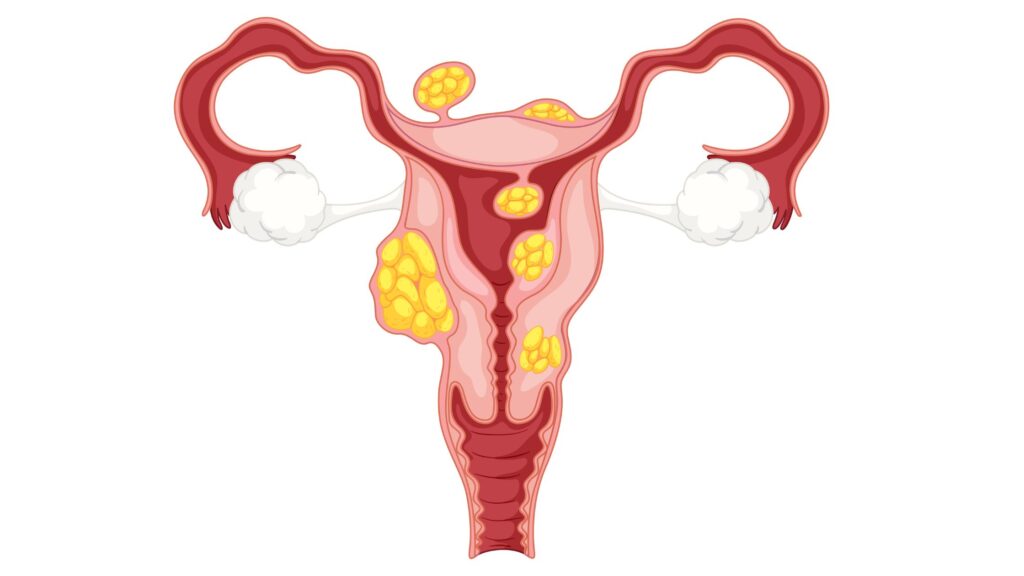
Fibroids are among the most common non-cancerous growths affecting women during their reproductive years. While some fibroids remain small and symptom-free, others may cause discomfort, heavy bleeding, pelvic pressure, fertility concerns, and changes in daily quality of life. Seeking timely evaluation and care is important for proper management and long-term wellbeing.
A Fibroid Care Hospital Thrissur focuses on the diagnosis, monitoring, and treatment of uterine fibroids using modern medical approaches and personalized care plans. Depending on the size, location, and symptoms, treatment may range from observation and medication to minimally invasive procedures and advanced surgical options.
Understanding fibroids early can help women make informed healthcare decisions and reduce the risk of complications.
What Are Uterine Fibroids?
Uterine fibroids are non-cancerous growths that develop in or around the uterus. They are also known as leiomyomas or myomas.
Fibroids can vary in:
- Size
- Number
- Location
- Growth rate
- Symptoms
Some women may have a single fibroid, while others may develop multiple growths.
Types of Fibroids
A Fibroid Care Hospital often evaluates fibroids based on their location.
Intramural Fibroids
These grow within the muscular wall of the uterus and are among the most common types.
Submucosal Fibroids
These grow beneath the inner lining of the uterus and may contribute to heavy menstrual bleeding.
Subserosal Fibroids
These develop on the outer surface of the uterus and may cause pelvic pressure.
Pedunculated Fibroids
These fibroids grow on a stalk attached to the uterus.
Understanding the fibroid type helps guide treatment decisions.
Common Symptoms of Fibroids
Symptoms vary depending on the size and location of fibroids.
Common Signs May Include:
- Heavy menstrual bleeding
- Pelvic pain or pressure
- Frequent urination
- Lower back pain
- Pain during intercourse
- Abdominal bloating
- Fatigue from blood loss
- Irregular menstrual cycles
- Fertility concerns
Some women may not experience symptoms at all.
Causes and Risk Factors
The exact cause of fibroids is not fully understood, but several factors may contribute.
Hormonal Factors
Estrogen and progesterone may influence fibroid growth.
Genetic Factors
Family history may increase the likelihood of developing fibroids.
Age and Reproductive Years
Fibroids are more commonly diagnosed during reproductive age.
Lifestyle Factors
Certain lifestyle and health factors may also play a role.
When to Visit a Fibroid Care Hospital
Medical evaluation may be important if symptoms interfere with daily life.
Seek Consultation If You Experience:
- Persistent pelvic pain
- Very heavy periods
- Severe menstrual cramps
- Frequent urination
- Difficulty conceiving
- Rapid abdominal enlargement
- Fatigue due to heavy bleeding
Early diagnosis often supports better management.
Diagnosis at a Fibroid Care Hospital
A Fibroid Care Hospital may recommend different tests to confirm diagnosis and assess the condition.
Medical History Review
Doctors may discuss:
- Menstrual history
- Pain symptoms
- Fertility concerns
- Previous treatments
Physical Examination
Pelvic examination may help identify enlargement or abnormalities.
Ultrasound Scan
Ultrasound is commonly used to detect fibroids and assess their size.
Additional Imaging
Some women may need:
- MRI scans
- Hysteroscopy
- Blood tests
These tests help guide treatment planning.
Treatment Options at a Fibroid Care Hospital
Treatment depends on symptoms, age, fibroid size, fertility goals, and overall health.
Observation and Monitoring
Small fibroids without symptoms may only require regular monitoring.
Medication-Based Management
Medicines may help manage:
- Heavy bleeding
- Pain
- Hormonal symptoms
Medication may not permanently remove fibroids but can help control symptoms.
Minimally Invasive Fibroid Treatment
Many women prefer less invasive treatment options.
Laparoscopic Fibroid Surgery
This minimally invasive procedure may help remove fibroids through smaller incisions.
Hysteroscopic Procedures
These may help treat certain fibroids located inside the uterus.
Benefits of Minimally Invasive Treatment
- Smaller scars
- Faster recovery
- Less discomfort
- Shorter hospital stay
Surgical Treatment for Fibroids
Some women with larger or multiple fibroids may require surgery.
Myomectomy
This procedure removes fibroids while preserving the uterus.
Hysterectomy
In certain situations, removal of the uterus may be considered.
Treatment planning depends on individual health needs and future pregnancy goals.
Benefits of Choosing a Fibroid Care Hospital
A dedicated Fibroid Care Hospital offers focused women’s healthcare support.
Specialized Evaluation
Comprehensive assessment helps determine the most suitable treatment.
Advanced Technology
Modern imaging and minimally invasive techniques may improve outcomes.
Personalized Treatment Plans
Treatment approaches are often tailored to symptoms and reproductive goals.
Comprehensive Women’s Healthcare
Patients may receive support for:
- Menstrual health
- Fertility concerns
- Surgical care
- Recovery guidance
Fibroids and Fertility
Fibroids may affect fertility in some women depending on their size and location.
Possible concerns may include:
- Difficulty conceiving
- Recurrent pregnancy loss
- Implantation issues
- Pregnancy complications
Timely evaluation can help identify appropriate treatment approaches.
Fibroids During Pregnancy
Some fibroids may remain stable during pregnancy, while others may increase in size.
Potential issues may include:
- Pain
- Pressure symptoms
- Delivery complications
Regular monitoring may be advised in certain cases.
Recovery After Fibroid Treatment
Recovery time varies depending on treatment type.
Recovery Tips
- Follow medical advice carefully
- Attend follow-up visits
- Avoid heavy strain during healing
- Maintain a balanced diet
- Stay hydrated
- Monitor symptoms
Minimally invasive procedures may support quicker recovery for some patients.
Lifestyle Tips for Managing Fibroid Symptoms
Healthy lifestyle habits may support overall wellbeing.
Helpful Tips
- Maintain healthy body weight
- Eat iron-rich foods
- Stay physically active
- Manage stress levels
- Attend regular gynecological checkups
Lifestyle support may complement medical care.
Importance of Early Fibroid Care
Ignoring symptoms may sometimes lead to complications such as:
- Severe anemia
- Chronic pelvic discomfort
- Fertility challenges
- Larger fibroid growth
Early evaluation at a Fibroid Care Hospital may support better long-term management.
How Fibroid Care Supports Women’s Health
Fibroid management is not only about removing growths. It also supports:
- Better menstrual health
- Improved comfort
- Reproductive wellbeing
- Reduced symptoms
- Improved quality of life
Personalized care often helps women make informed treatment choices.
Conclusion
Fibroids can affect women in different ways, from mild symptoms to significant menstrual discomfort and fertility concerns. Timely diagnosis, proper monitoring, and personalized treatment planning are important for supporting long-term health and wellbeing.
A Fibroid Care Hospital Thrissur may provide comprehensive support through advanced diagnostic evaluation, minimally invasive treatment options, and ongoing women’s healthcare guidance. Whether symptoms are mild or more complex, early medical attention can help improve comfort, reproductive health, and quality of life.
For additional information on women’s reproductive health, visit women’s health guidance from the World Health Organization.
Frequently Asked Questions
Drs GEM Hospital, Thrissur
Drs GEM Hospital is a trusted healthcare centre in Thrissur known for comprehensive maternity care, advanced gynaecology services, and dedicated child health support. With more than four decades of medical service, the hospital focuses on safe pregnancy care, modern surgical procedures, and round-the-clock support for mothers and children.
The hospital provides patient-focused care supported by modern diagnostics, experienced healthcare professionals, and 24×7 essential medical services including laboratory, pharmacy, and ultrasound facilities.