
Treatment for fibroids without surgery
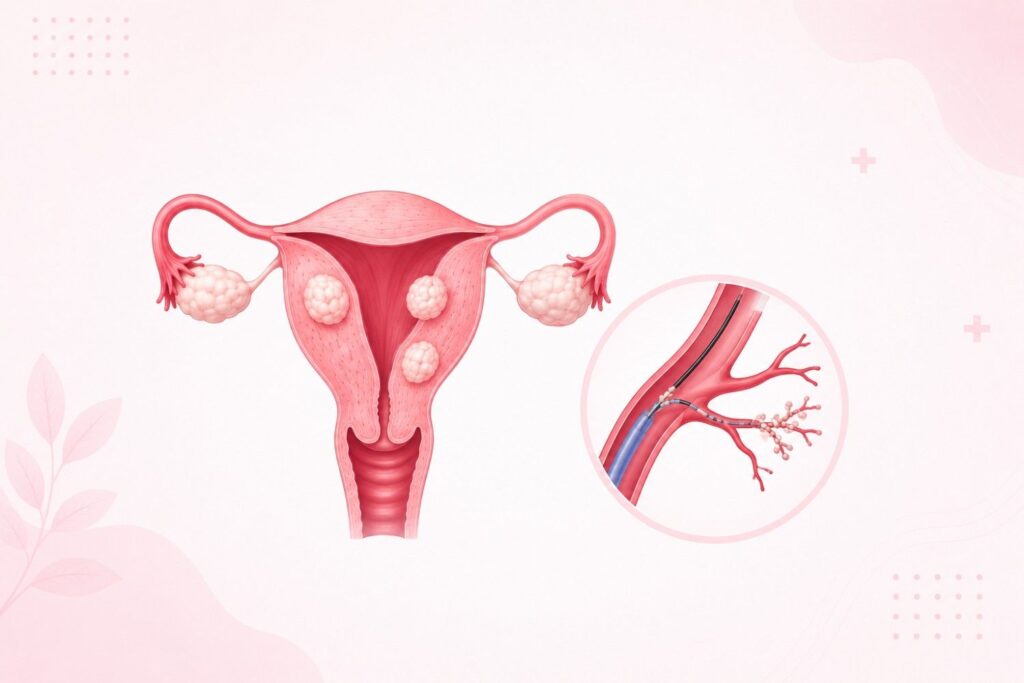
Treatment for fibroids without surgery may help many women manage symptoms while avoiding major surgical procedures. Depending on the size, location, and severity of fibroids, doctors may recommend medications, minimally invasive therapies, and lifestyle-based management approaches.
Many women seek treatment for fibroids without surgery to reduce heavy bleeding, pelvic discomfort, pressure symptoms, and fertility-related concerns while supporting faster recovery and reduced downtime.
Table of Contents
- What Are Uterine Fibroids?
- Who May Need Treatment for Fibroids Without Surgery?
- Medication-Based Fibroid Treatment
- Minimally Invasive Treatment for Fibroids Without Surgery
- Lifestyle Support for Fibroid Management
- Benefits of Treatment for Fibroids Without Surgery
- When to Seek Medical Care
- Diagnosis Before Fibroid Treatment
- Conclusion
- Frequently Asked Questions
What Are Uterine Fibroids?
Uterine fibroids are non-cancerous growths that develop in or around the uterus.
Fibroids may vary in:
- Size
- Number
- Location
- Growth pattern
- Symptoms
Some fibroids remain symptom-free, while others may affect menstrual health and daily comfort.
Who May Need Treatment for Fibroids Without Surgery?
Treatment for fibroids without surgery may be considered for women with mild to moderate symptoms.
Common Reasons for Non-Surgical Fibroid Care
- Heavy menstrual bleeding
- Pelvic pressure
- Frequent urination
- Lower back discomfort
- Fertility concerns
- Pain during menstruation
Doctors may recommend treatment for fibroids without surgery based on overall health, reproductive goals, and fibroid size.
Medication-Based Fibroid Treatment
Certain medications may help control fibroid-related symptoms.
Hormonal Medication
Hormonal therapy may help reduce bleeding and regulate menstrual cycles.
Pain Management Medicines
Some medicines may help manage pelvic discomfort and menstrual pain.
Iron Supplements
Iron support may help women affected by heavy bleeding and anemia.
Medication-based treatment for fibroids without surgery may help improve symptom control for some women.
Minimally Invasive Treatment for Fibroids Without Surgery
Modern medical care offers several treatment options that avoid major surgery.
Uterine Artery Embolization
This procedure blocks blood supply to fibroids and may help shrink them over time.
MRI-Guided Focused Ultrasound
Focused ultrasound treatment may target fibroid tissue without surgical incisions.
Hormone-Regulating Therapy
Some hormone-based therapies may help slow fibroid growth and reduce symptoms.
Treatment for fibroids without surgery may support shorter recovery time and reduced physical discomfort.
Lifestyle Support for Fibroid Management
Healthy lifestyle habits may support overall reproductive health and symptom management.
Helpful Lifestyle Measures
- Maintain healthy body weight
- Eat iron-rich foods
- Stay physically active
- Reduce stress levels
- Stay hydrated
- Attend regular gynecological checkups
Lifestyle support may complement treatment for fibroids without surgery and improve overall wellbeing.
Benefits of Treatment for Fibroids Without Surgery
Many women prefer non-surgical fibroid management for comfort and convenience.
Possible Benefits
- No major surgical incision
- Faster recovery
- Reduced hospital stay
- Lower physical discomfort
- Improved daily comfort
- Symptom management support
Treatment for fibroids without surgery may help women continue daily activities with minimal interruption.
When to Seek Medical Care
Medical evaluation is important if fibroid symptoms affect daily life.
Seek Medical Attention If You Experience
- Severe menstrual bleeding
- Persistent pelvic pain
- Rapid abdominal enlargement
- Ongoing fatigue
- Difficulty conceiving
- Severe menstrual cramps
Early diagnosis may help determine whether treatment for fibroids without surgery is suitable.
Diagnosis Before Fibroid Treatment
Doctors may recommend tests before starting fibroid treatment.
Common Diagnostic Methods
- Pelvic examination
- Ultrasound scan
- MRI imaging
- Blood tests
- Medical history review
Proper diagnosis helps doctors plan the most suitable treatment for fibroids without surgery.
Conclusion
Treatment for fibroids without surgery may help many women manage symptoms while avoiding major surgical procedures. Medication-based care, minimally invasive procedures, and healthy lifestyle support may all play a role in improving comfort and reproductive wellbeing.
Early medical evaluation and personalized treatment planning are important for identifying the most suitable treatment for fibroids without surgery based on individual symptoms and long-term health goals.
For additional information on women’s reproductive health, visit women’s health guidance from the World Health Organization.
Frequently Asked Questions
Treatment for fibroids without surgery includes medications and minimally invasive procedures that help manage fibroid symptoms without major surgical operations.
Yes, many women may manage fibroid symptoms through medication, hormone therapy, and minimally invasive treatment methods.
Doctors may recommend hormonal medicines, pain relief medication, or iron supplements depending on symptoms and overall health.
Uterine artery embolization is a minimally invasive procedure that blocks blood flow to fibroids to help shrink them over time.
Most non-surgical fibroid treatments involve minimal discomfort compared to traditional surgical procedures.
Some fibroids may regrow or symptoms may return depending on the treatment method and individual health condition.
Women with mild to moderate fibroid symptoms may be suitable candidates based on fibroid size, location, and reproductive goals.
Healthy lifestyle habits such as balanced nutrition, exercise, stress management, and regular checkups may support symptom management.
Doctors may use pelvic examination, ultrasound scans, MRI imaging, and blood tests to diagnose fibroids and plan treatment.
Many women experience shorter recovery time and reduced downtime with treatment for fibroids without surgery compared to major surgery.
Drs GEM Hospital, Thrissur
Drs GEM Hospital is a trusted healthcare centre in Thrissur known for comprehensive maternity care, advanced gynaecology services, and dedicated child health support. With more than four decades of medical service, the hospital focuses on safe pregnancy care, modern surgical procedures, and round-the-clock support for mothers and children.
The hospital provides patient-focused care supported by modern diagnostics, experienced healthcare professionals, and 24×7 essential medical services including laboratory, pharmacy, and ultrasound facilities.