
PCOS Procedure Steps: Step-by-Step Journey
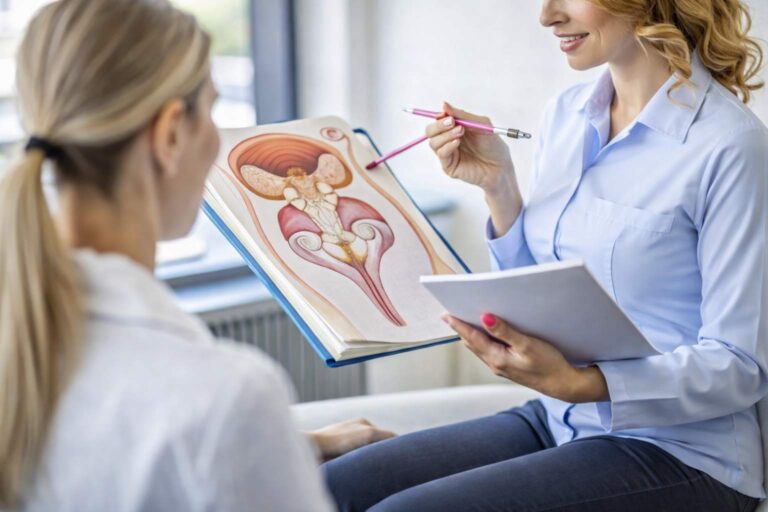
Polycystic Ovary Syndrome (PCOS) is a common hormonal condition affecting women of reproductive age. While the diagnosis can initially feel overwhelming, understanding the PCOS procedure steps can help women navigate treatment with confidence. This page explains each stage of the process in a clear, step-by-step manner, ensuring you know what to expect from consultation to recovery. For women seeking care in Thrissur, this guide will help make the journey smoother and more informed.
Understanding PCOS
PCOS occurs when there is an imbalance of reproductive hormones, often causing irregular periods, ovarian cysts, acne, excess hair growth, and challenges with fertility. While PCOS cannot be completely cured, structured treatment plans can manage symptoms, improve hormonal balance, and support reproductive health.
The procedure steps for PCOS are designed to identify the root causes, tailor treatments, and monitor progress effectively. Every patient may have slightly different steps depending on their symptoms and health profile.
Step 1: Initial Consultation
The first step in managing PCOS is an initial consultation with a qualified healthcare professional. During this visit:
A detailed medical history is taken, including menstrual cycles, weight changes, family history, and fertility concerns.
Symptoms like irregular periods, acne, hair growth, and weight fluctuations are discussed.
Lifestyle factors, including diet, exercise, and stress levels, are reviewed.
This step helps the doctor understand your condition comprehensively and plan the next steps in the PCOS procedure.
Step 2: Diagnostic Evaluation
After consultation, the diagnostic evaluation is conducted to confirm PCOS and rule out other conditions. Common diagnostic steps include:
Blood Tests: Hormonal levels such as LH, FSH, testosterone, insulin, and thyroid hormones are measured.
Ultrasound Examination: An ultrasound of the ovaries checks for the presence of multiple small cysts.
Metabolic Screening: Blood sugar, cholesterol, and other metabolic parameters may be tested to assess overall health.
Accurate diagnosis ensures that treatment is targeted and effective, forming the foundation of the PCOS procedure.
Step 3: Personalized Treatment Planning
Once diagnosis is complete, a personalized treatment plan is created. This plan is tailored to your symptoms, age, fertility goals, and overall health. The plan may include:
Lifestyle Changes: Recommendations for balanced diet, exercise, stress management, and sleep hygiene.
Medication: Options such as hormonal therapy, insulin-sensitizing drugs, or ovulation-inducing medications may be prescribed.
Supplements: Certain vitamins and minerals like Vitamin D, inositol, or omega-3 fatty acids may support hormonal balance.
Fertility Support: If pregnancy is a goal, ovulation tracking and fertility medications may be included in the plan.
This step ensures that every aspect of PCOS management is addressed comprehensively.
Step 4: Lifestyle and Dietary Modifications
Lifestyle changes are often the first and most effective part of PCOS management. These may include:
Healthy Diet: Focus on whole grains, lean proteins, vegetables, and low-glycemic foods to regulate insulin levels.
Regular Exercise: Moderate physical activity helps in weight management and hormonal regulation.
Stress Reduction: Yoga, meditation, or mindfulness practices can support hormonal health.
Sleep Hygiene: Consistent sleep patterns are essential for hormonal balance.
Following these modifications consistently can improve symptoms significantly and enhance the effectiveness of medical treatments.
Step 5: Medication Administration
Depending on your specific needs, medications may be introduced in a structured manner:
Hormonal Therapy: Birth control pills, anti-androgens, or progesterone can regulate menstrual cycles and reduce androgen-related symptoms.
Insulin Sensitizers: Medications like metformin help manage insulin resistance, a common feature in PCOS.
Fertility Medications: For women trying to conceive, ovulation-inducing drugs such as clomiphene may be prescribed.
Medication schedules are closely monitored, and adjustments are made based on response and tolerance.
Step 6: Monitoring and Follow-Up
Regular follow-up is a crucial part of the PCOS procedure. Monitoring includes:
Tracking menstrual cycle patterns.
Periodic blood tests to check hormonal levels.
Ultrasound evaluations to monitor ovarian response.
Reviewing symptoms like weight changes, acne, or hair growth.
Follow-ups ensure that treatments remain effective, side effects are managed, and any new concerns are addressed promptly.
Step 7: Advanced Procedures (if necessary)
In some cases, advanced procedures may be recommended when lifestyle changes and medications are insufficient:
Ovarian Drilling: A minor surgical procedure that can restore ovulation in resistant cases.
Fertility Interventions: Techniques like IUI (Intrauterine Insemination) or IVF (In Vitro Fertilization) may be considered for women facing fertility challenges.
These procedures are performed under professional guidance and tailored to the patient’s specific needs, always after careful evaluation.
Step 8: Ongoing Management and Support
PCOS is a lifelong condition that requires ongoing management even after initial treatment success. This includes:
Maintaining a healthy lifestyle.
Continuing follow-up visits as recommended.
Managing stress and emotional well-being.
Adjusting treatment as life circumstances change, such as pregnancy or weight changes.
Long-term management ensures sustained hormonal balance, reduced symptoms, and improved quality of life.
Approximate Cost of PCOS Management in Palakkad
The cost of PCOS management can vary depending on investigations, medications, and procedures involved. On average:
Initial consultation: ₹800–₹1500
Blood tests and ultrasound: ₹2000–₹5000
Medication course: ₹1000–₹3000 per month
Advanced procedures (if required): ₹15,000–₹50,000
These costs are indicative and may vary based on clinic facilities and patient-specific requirements.
Why Following PCOS Procedure Steps Matters
Following a structured step-by-step approach ensures:
Accurate diagnosis and personalized treatment.
Effective symptom control.
Better fertility outcomes for those planning pregnancy.
Reduced risk of long-term complications like diabetes or heart disease.
Enhanced overall quality of life.
Understanding each step helps patients feel empowered and engaged in their care journey.
Key Takeaways
PCOS management is multi-step, involving consultation, diagnosis, personalized treatment, lifestyle modifications, medication, monitoring, and, if needed, advanced procedures.
Regular follow-up and long-term management are crucial for success.
Costs vary based on investigations, treatment complexity, and individual needs.
Women in Palakkad can follow this structured approach to achieve optimal outcomes while minimizing complications.
Table of Contents
PCOS Treatment:
PCOS treatment focuses on balancing hormones, regulating menstrual cycles, improving metabolic health, and managing symptoms through lifestyle changes and medical therapy. Learn more
PCOS Consultation:
A PCOS consultation involves detailed evaluation, hormone assessment, symptom analysis, and personalized treatment planning based on individual health needs. Learn more
PCOS Treatment Cost:
The cost of PCOS treatment varies depending on diagnostic tests, medications, follow-up visits, and the duration and complexity of management required. Learn more
PCOS Fertility Treatment:
PCOS fertility treatment aims to restore ovulation and improve conception chances through hormonal regulation, ovulation induction, and monitored reproductive support. Learn more
PCOS Before and After Results:
PCOS before and after results reflect gradual hormonal stabilization, improved cycle regularity, reduced androgen symptoms, and better overall metabolic health with consistent treatment. Learn more
Frequently Asked Questions
1.What is the first step in PCOS management?
The first step is an initial consultation where your symptoms, history, and lifestyle are discussed.
2.Which tests are commonly done for PCOS?
Blood tests for hormones, ultrasound for ovarian cysts, and metabolic screenings are typical.
3.Can PCOS be completely cured?
PCOS cannot be fully cured, but symptoms can be managed effectively.
4,Are lifestyle changes really important in PCOS?
Yes, diet, exercise, stress management, and sleep significantly impact symptom control.
5.What medications are used in PCOS treatment?
Hormonal therapy, insulin sensitizers, and fertility medications are commonly prescribed.
6.Do all PCOS patients need advanced procedures?
No, most cases respond well to lifestyle changes and medications; advanced procedures are reserved for resistant cases.
7.How often should follow-ups occur?
Typically every 3–6 months, or as advised by the treating doctor.
8.Is fertility possible with PCOS?
Yes, with proper treatment, many women with PCOS can conceive naturally or with assisted methods.
9.Are PCOS treatments safe?
Yes, when supervised by a qualified healthcare professional, treatments are generally safe.
1o.Does PCOS require lifelong management?
Yes, ongoing monitoring and lifestyle management help control symptoms and prevent complications.
Drs GEM Hospital, Thrissur
Compassionate maternity care, advanced diagnostics, and expert child health services—supporting families for over four decades.