
PCOS Before and After Results: Managing Hormonal Changes
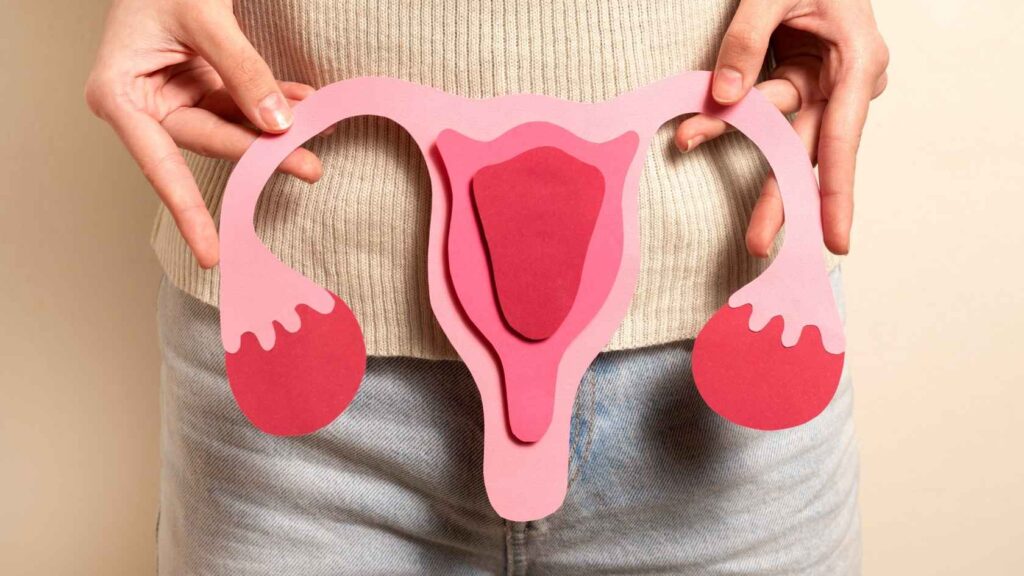
Polycystic Ovary Syndrome (PCOS) is a long-term hormonal condition that affects many aspects of a woman’s health, including menstrual cycles, metabolism, skin, hair, fertility, and emotional well-being. Understanding PCOS before and after results helps set realistic expectations about treatment outcomes and long-term management. Because PCOS is a chronic condition rather than a temporary illness, improvement is gradual and achieved through consistent medical care, lifestyle adjustments, and regular monitoring.
This page explains what changes may occur before treatment, what improvements are typically seen after structured management, and how hormonal balance can be stabilized over time.
Understanding Hormonal Imbalance in PCOS
PCOS involves disruption in the balance of reproductive hormones. The condition commonly includes:
Elevated androgen (male hormone) levels
Irregular ovulation
Insulin resistance
Imbalanced estrogen and progesterone
These imbalances lead to irregular menstrual cycles, acne, excess hair growth, weight changes, and difficulty conceiving.
Before treatment begins, many women experience symptoms that interfere with daily comfort and long-term health. Recognizing these patterns is the first step toward measurable improvement.
PCOS Before Treatment: Common Symptoms and Challenges
Before structured management, individuals with PCOS may experience:
1. Irregular or Absent Menstrual Cycles
Periods may occur infrequently, unpredictably, or not at all. Hormonal fluctuations disrupt ovulation, leading to cycle irregularity.
2. Acne and Skin Changes
Excess androgen levels stimulate oil production, resulting in persistent acne or oily skin.
3. Excess Facial or Body Hair
Unwanted hair growth on the chin, upper lip, chest, or abdomen is a common concern.
4. Hair Thinning
While excess hair may appear in some areas, scalp hair thinning can occur due to hormonal imbalance.
5. Weight Gain or Difficulty Losing Weight
Insulin resistance often makes weight management more challenging.
6. Fertility Challenges
Irregular ovulation reduces the chances of natural conception.
7. Emotional Effects
Hormonal changes, cosmetic concerns, and fertility issues may contribute to stress, anxiety, or low confidence.
These symptoms vary in intensity, but they form the baseline from which “after results” are measured.
PCOS After Treatment: What Improvements Can Be Expected?
With consistent treatment, many women experience gradual but meaningful changes.
1. Improved Menstrual Regularity
Hormonal therapy and lifestyle modification often restore predictable cycles. Ovulation may become more consistent over time.
2. Reduced Acne and Skin Inflammation
As androgen levels stabilize, oil production decreases, leading to clearer skin.
3. Controlled Hair Growth
Excess hair growth may slow, and existing hair may become finer with hormonal management.
4. Better Weight Regulation
Improved insulin sensitivity supports healthier metabolism and gradual weight stabilization.
5. Enhanced Fertility Outcomes
Ovulation induction and hormonal regulation increase the likelihood of conception when desired.
6. Improved Energy Levels
Balanced blood sugar and hormones often contribute to better overall vitality.
7. Emotional Stability
As physical symptoms improve, emotional well-being often follows.
Timeline of Before and After Results
PCOS improvements are progressive rather than immediate.
First 1–3 Months
Menstrual cycles begin stabilizing
Acne reduction may start
Energy levels improve
3–6 Months
Noticeable improvement in cycle regularity
Reduced androgen-related symptoms
Gradual weight stabilization
6–12 Months
Sustained hormonal balance
Improved fertility response
Reduced long-term metabolic risk
Consistency in treatment is essential for long-term stability.
Lifestyle Impact on Before and After Outcomes
Lifestyle plays a critical role in determining results.
Nutrition
Balanced, low-glycemic diets improve insulin resistance and hormone balance.
Exercise
Regular activity enhances metabolic function and ovulatory consistency.
Sleep
Quality sleep supports hormonal regulation.
Stress Management
Chronic stress can worsen hormonal imbalance; managing stress improves outcomes.
When lifestyle changes are combined with medical therapy, results are often more sustainable.
Medical Treatments and Their Role in After Results
Depending on symptom severity, medical treatments may include:
Hormonal contraceptives
Insulin-sensitizing medications
Anti-androgen therapy
Ovulation induction agents
These interventions address root hormonal imbalances and improve visible and metabolic symptoms.
Fertility-Specific Before and After Changes
Before treatment, ovulation may be irregular or absent.
After structured management:
Ovulation frequency increases
Cycle tracking becomes predictable
Pregnancy chances improve
Monitoring through ultrasound and hormone testing helps assess progress.
Metabolic Improvements After PCOS Management
Long-term untreated PCOS increases the risk of:
Type 2 diabetes
High cholesterol
Cardiovascular disease
With appropriate management:
Blood sugar levels stabilize
Insulin resistance improves
Cholesterol levels normalize
Blood pressure remains controlled
Preventive care significantly improves long-term outcomes.
Emotional and Psychological Before and After
Before treatment, emotional distress may arise due to physical symptoms and uncertainty.
After treatment:
Improved body image
Increased confidence
Reduced anxiety about fertility
Greater emotional stability
Mental health support enhances overall results.
Realistic Expectations About PCOS Results
It is important to understand that:
PCOS management is ongoing
Symptoms may fluctuate
Hormonal balance requires maintenance
Lifestyle habits must remain consistent
Results are sustainable when treatment plans are followed long term.
Monitoring Progress Over Time
Regular follow-up appointments allow:
Hormone level tracking
Ultrasound assessment
Blood sugar evaluation
Medication adjustments
Monitoring ensures that improvements continue and complications are prevented.
Long-Term Outlook
Women who follow structured PCOS treatment plans often experience:
Stable menstrual cycles
Controlled androgen symptoms
Healthy metabolic markers
Improved reproductive health
With consistent care, most symptoms can be effectively managed.
Final Thoughts
PCOS before and after results reflect gradual improvement rather than instant transformation. Managing hormonal changes requires patience, commitment, and personalized treatment planning. With the right approach—combining lifestyle modifications, medical therapy, and emotional support—women can achieve balanced hormones, improved reproductive health, and enhanced overall well-being.
Understanding realistic expectations and focusing on long-term management allows women to take control of PCOS and maintain healthier outcomes over time.
Table of Contents
PCOS Treatment:
PCOS treatment focuses on balancing hormones, regulating menstrual cycles, improving metabolic health, and managing symptoms through lifestyle changes and medical therapy. Learn more
PCOS Consultation:
A PCOS consultation involves detailed evaluation, hormone assessment, symptom analysis, and personalized treatment planning based on individual health needs. Learn more
PCOS Treatment Cost:
The cost of PCOS treatment varies depending on diagnostic tests, medications, follow-up visits, and the duration and complexity of management required. Learn more
PCOS Procedure Steps:
PCOS management steps typically include diagnosis, laboratory testing, lifestyle guidance, medical therapy initiation, and regular monitoring for progress and adjustment. Learn more
PCOS Fertility Treatment:
PCOS fertility treatment aims to restore ovulation and improve conception chances through hormonal regulation, ovulation induction, and monitored reproductive support. Learn more
Frequently Asked Questions
1. What changes can I expect before starting PCOS treatment?
Before treatment, many women experience irregular periods, acne, excess hair growth, weight changes, and difficulty conceiving due to hormonal imbalance.
2. How soon can I see results after starting PCOS treatment?
Some improvements, such as better menstrual regularity and reduced acne, may begin within a few months, but long-term hormonal balance requires consistent management.
3. Can PCOS symptoms completely disappear after treatment?
PCOS does not permanently disappear, but symptoms can be effectively controlled with ongoing lifestyle changes and medical care.
4. Does weight loss improve PCOS symptoms?
For some women, even modest weight reduction can improve insulin sensitivity, regulate cycles, and reduce androgen-related symptoms.
5. Will PCOS treatment help with fertility?
Yes, treatment can improve ovulation and increase the chances of conception, especially when fertility-focused therapies are included.
6. Are before and after results the same for every woman with PCOS?
No, results vary depending on symptom severity, metabolic health, adherence to treatment, and individual hormonal response.
7. Can acne and excess hair growth improve after PCOS management?
With proper hormonal regulation, acne may reduce and excess hair growth may slow or become less noticeable over time.
8. How does insulin resistance affect PCOS results?
Improving insulin sensitivity plays a key role in stabilizing hormones and achieving better long-term outcomes.
9. Is emotional health affected by PCOS before and after treatment?
Hormonal imbalance can influence mood and stress levels, and many women notice improved emotional stability as symptoms are managed.
10. Do I need long-term follow-up after seeing improvement?
Yes, regular monitoring helps maintain hormonal balance and prevents recurrence or worsening of symptoms.