
9 Powerful Facts About Laparoscopic Hysterectomy Recovery Time
If you are preparing for surgery, one of the most common questions is about laparoscopic hysterectomy recovery time. Understanding the recovery process can help you feel more confident, reduce anxiety, and prepare for a smoother healing journey. Women undergoing this minimally invasive procedure often experience a faster recovery compared to traditional open surgery. At many advanced women’s healthcare centres in Thrissur, laparoscopic techniques are preferred because they allow patients to return to daily activities sooner while experiencing less discomfort.
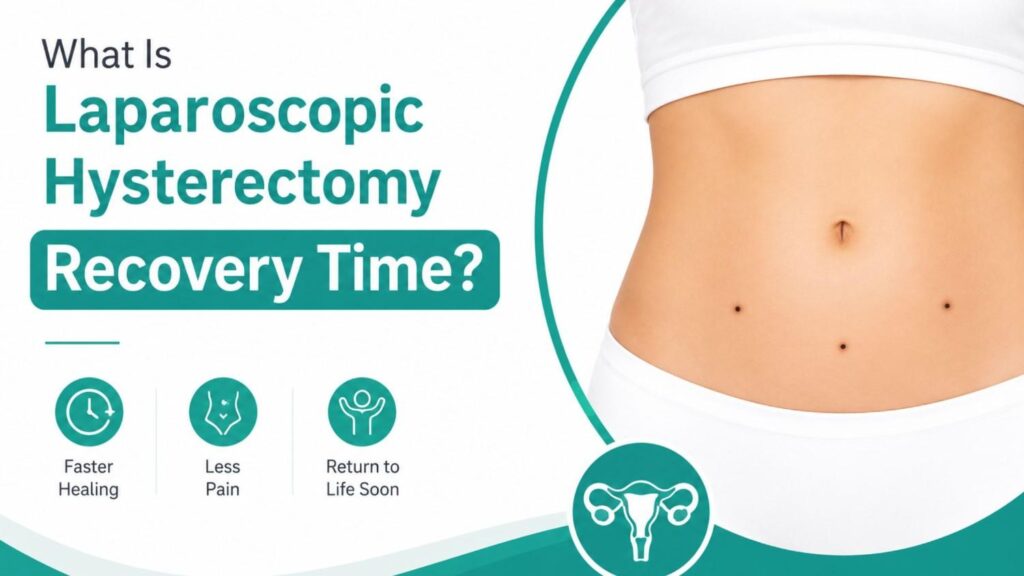
What Is Laparoscopic Hysterectomy Recovery Time?
Laparoscopic hysterectomy recovery time refers to the period your body needs to heal after the uterus is removed using minimally invasive surgical techniques. Recovery involves healing of the internal tissues, restoration of energy levels, and a gradual return to normal activities.
Although recovery varies from one patient to another, most women recover significantly faster than they would after an abdominal hysterectomy.
Several factors influence recovery, including:
- Age
- Overall health
- Type of hysterectomy performed
- Presence of other medical conditions
- Surgical complexity
- Adherence to post-operative instructions
Why Is Recovery Faster After Laparoscopic Surgery?
A laparoscopic hysterectomy uses small incisions instead of one large abdominal cut.
This offers several advantages:
- Reduced tissue trauma
- Less blood loss
- Lower risk of infection
- Minimal scarring
- Shorter hospital stay
- Faster mobility
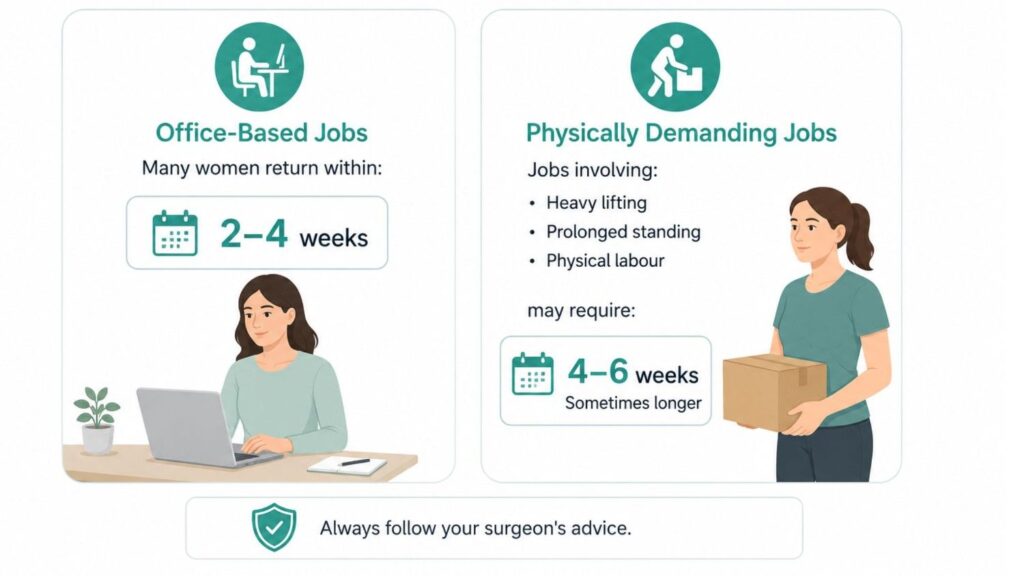
- Quicker return to work
These benefits contribute significantly to a shorter laparoscopic hysterectomy recovery time.
Understanding the Stages of Laparoscopic Hysterectomy Recovery
First 24 Hours After Surgery
The first day focuses on monitoring and early recovery.
You may experience:
- Mild abdominal discomfort
- Grogginess from anaesthesia
- Light vaginal spotting
- Shoulder pain caused by carbon dioxide gas used during surgery
Most patients are encouraged to:
- Walk short distances
- Drink fluids
- Begin light meals
- Perform gentle leg movements
Early mobility helps prevent blood clots and promotes healing.
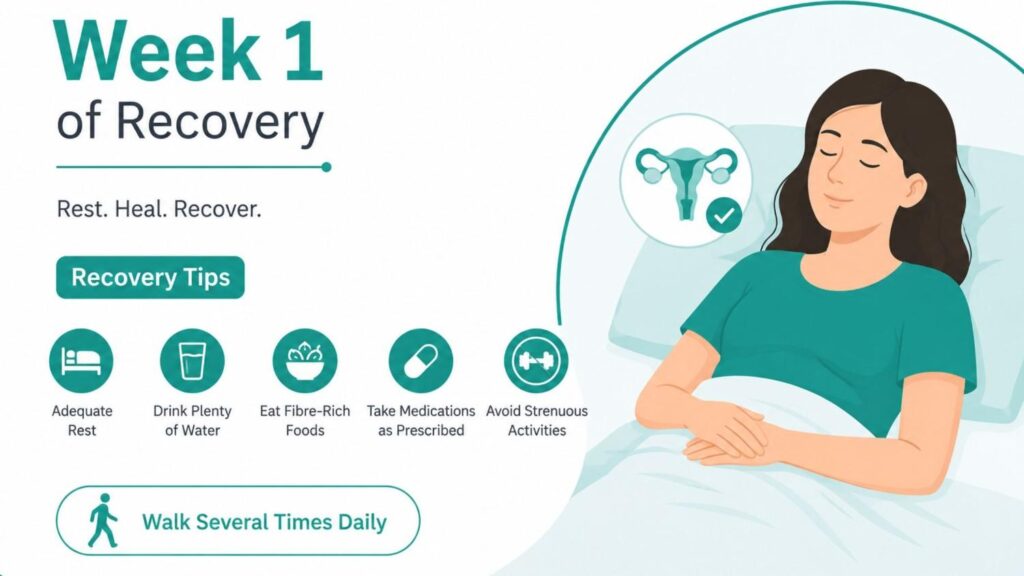
Week 1 of Recovery
The first week is the most important stage of laparoscopic hysterectomy recovery time.
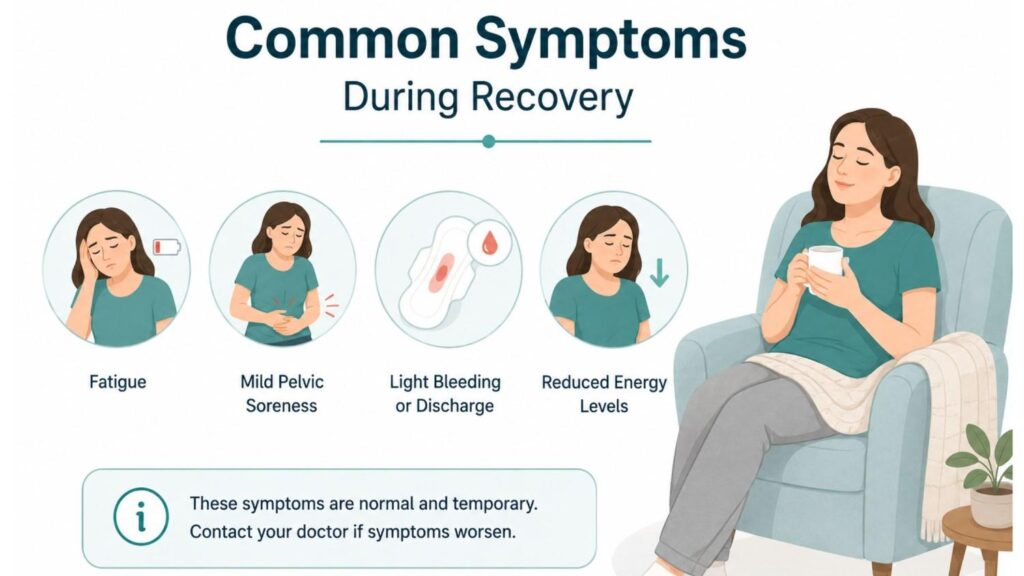
Most women experience:
- Mild fatigue
- Mild pelvic soreness
- Light bleeding or discharge
- Reduced energy levels
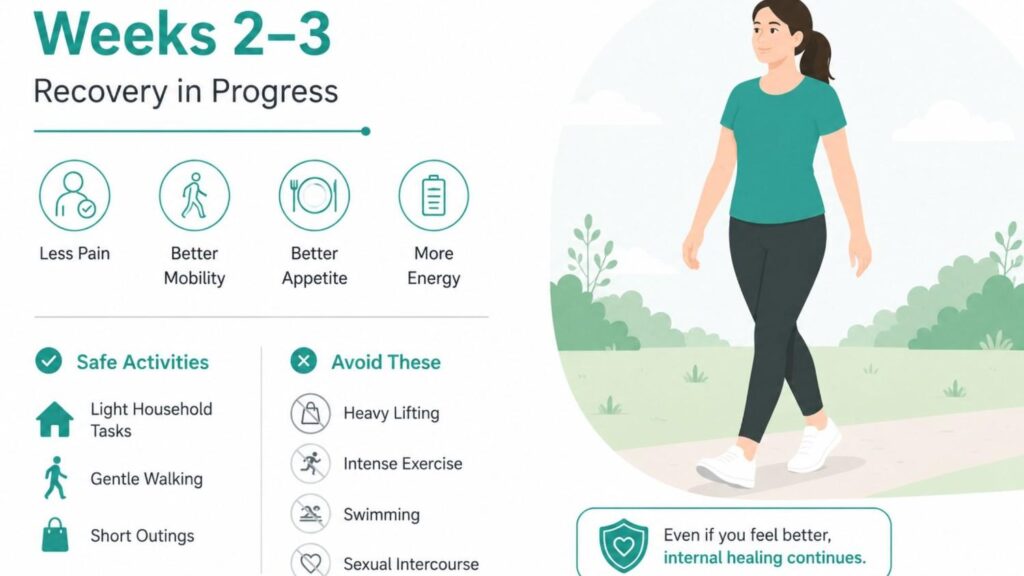
Weeks 2–3 During Laparoscopic Hysterectomy Recovery Time
Many women notice significant improvement during this stage.
You may experience:
- Reduced pain
- Improved mobility
- Better appetite
- Increased energy
Activities that are generally safe include:
- Light household tasks
- Gentle walking
- Short outings
continues.
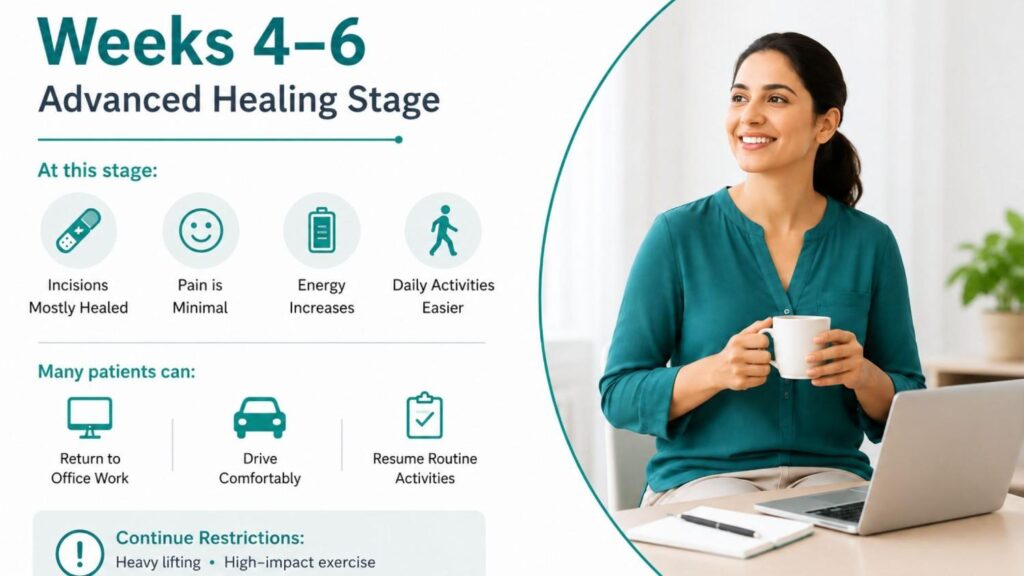
Weeks 4–6: Advanced Healing Stage
For many women, the most noticeable improvements occur during weeks four to six.
At this stage:
- Incisions are mostly healed
- Pain is minimal
- Energy levels increase
- Daily activities become easier
Factors That Affect Laparoscopic Hysterectomy Recovery Time
Not every recovery journey is identical.
Type of Hysterectomy
Recovery may vary depending on whether you undergo:
- Total laparoscopic hysterectomy
- Laparoscopic-assisted vaginal hysterectomy
- Radical laparoscopic hysterectomy
- Supracervical hysterectomy
More extensive procedures may require additional healing time.
Overall Health
Women with good general health often recover more quickly.
Factors that may slow recovery include:
- Diabetes
- Obesity
- Smoking
- Chronic illness
- Poor nutrition
Age
Younger patients sometimes heal faster, although healthy women of all ages can achieve excellent recovery outcomes.
Post-Surgical Care
Following your surgeon’s recommendations can significantly improve laparoscopic hysterectomy recovery time.
Common Symptoms During Recovery
Understanding what is normal helps reduce unnecessary worry.
Symptoms Requiring Medical Attention
Contact your doctor if you experience:
- Fever above 38°C
- Heavy bleeding
- Severe pain
- Persistent vomiting
- Foul-smelling discharge
- Difficulty urinating
- Shortness of breath
Prompt medical evaluation is important if these symptoms occur.
Recovery Tips for Faster Healing
Stay Active Safely
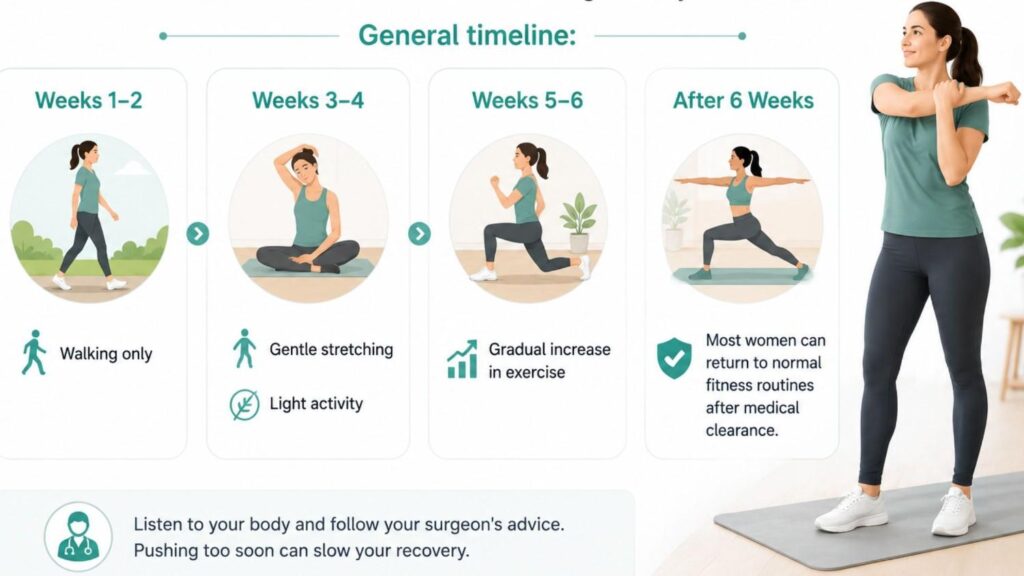
Gentle movement improves circulation and supports recovery.
Recommended activities:
- Short walks
- Light stretching
- Deep breathing exercises
Avoid:
- Running
- Weight training
- High-impact sports
Focus on Nutrition
A healthy diet supports tissue repair.
Choose foods rich in:
- Protein
- Iron
- Fibre
- Vitamins
- Minerals
Stay Hydrated and Get Enough Sleep
Adequate hydration supports:
- Digestion
- Circulation
- Energy levels
- Healing
Aim for regular fluid intake throughout the day.
When Can You Return to Work?
When Can You Exercise Again?
Long-Term Outlook
Most women report significant improvements in quality of life after recovery.
Benefits often include:
- Relief from heavy bleeding
- Reduced pelvic pain
- Improved daily functioning
- Better overall comfort
After completing laparoscopic hysterectomy recovery time, many patients return to normal routines with renewed confidence and wellbeing.
Conclusion
Understanding laparoscopic hysterectomy recovery time helps patients prepare for a successful healing journey. While every woman’s experience is unique, most recover within several weeks with proper care, nutrition, and activity modification. Following medical advice, staying active safely, and recognising warning signs can contribute to a smoother recovery. Women seeking guidance about laparoscopic hysterectomy recovery time should discuss their individual recovery expectations with their healthcare provider in Thrissur to ensure the best possible outcome.
According to the American College of Obstetricians and Gynecologists (ACOG), laparoscopic and minimally invasive approaches to hysterectomy are recommended over open abdominal surgery whenever clinically appropriate, owing to their superior recovery profiles and reduced complication rates.
At GEM Hospital, our experienced gynaecological surgeons provide personalised, compassionate care ensuring every patient fully understands their options before making a decision. Whether you are in the early stages of researching or ready to consult a specialist, we are here to guide you every step of the way.
FREQUENTLY ASKED QUESTIONS
Drs GEM Hospital, Thrissur
Drs GEM Hospital is a trusted healthcare centre in Thrissur known for comprehensive maternity care, advanced gynaecology services, and dedicated child health support. With more than four decades of medical service, the hospital focuses on safe pregnancy care, modern surgical procedures, and round-the-clock support for mothers and children.
The hospital provides patient-focused care supported by modern diagnostics, experienced healthcare professionals, and 24×7 essential medical services including laboratory, pharmacy, and ultrasound facilities.