
What is Laparoscopic Hysterectomy: 7 Essential Facts
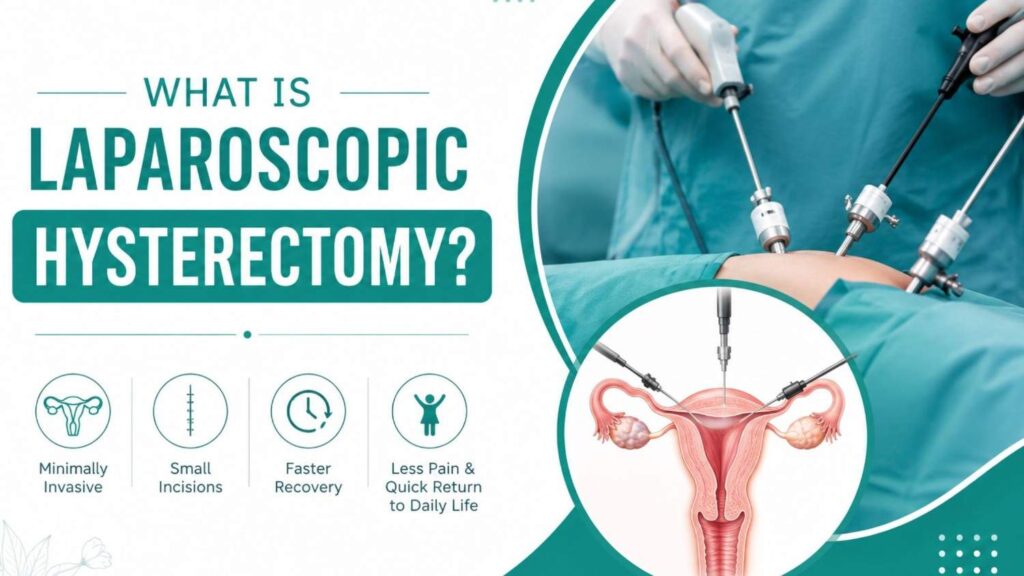
Table of Contents
- What is Laparoscopic Hysterectomy?
- How Does the Procedure Work?
- Types of Laparoscopic Hysterectomy
- Who Needs a Laparoscopic Hysterectomy?
- Conditions Treated
- Benefits Over Open Surgery
- Risks and Considerations
- Recovery: What to Expect
- Preparing for the Procedure
- Life After a Hysterectomy
- Frequently Asked Questions
- Conclusion
What is Laparoscopic Hysterectomy?
If you or someone you love has been told that a hysterectomy might be necessary, the first question that usually comes to mind is – what is laparoscopic hysterectomy, and is it the right choice for me?
A laparoscopic hysterectomy is a minimally invasive surgical procedure used to remove the uterus. Instead of a large abdominal cut, the surgeon makes only a few small incisions – each about half a centimetre – and inserts a tiny camera (laparoscope) along with thin surgical tools to perform the operation. At GEM Hospital, our specialist team uses this advanced technique to offer patients faster recovery and significantly less discomfort compared to traditional open surgery.
This approach has transformed gynaecological care over the past two decades. Today, it is one of the most commonly performed procedures for women dealing with a wide range of uterine conditions.
How Does the Procedure Work?
Understanding what laparoscopic hysterectomy involves helps you feel more confident walking into the operating theatre.
Here is a step-by-step overview:
- Anaesthesia: You will receive general anaesthesia, so you are completely asleep and pain-free throughout.
- Small incisions: The surgeon creates 3–4 tiny cuts near the navel and lower abdomen.
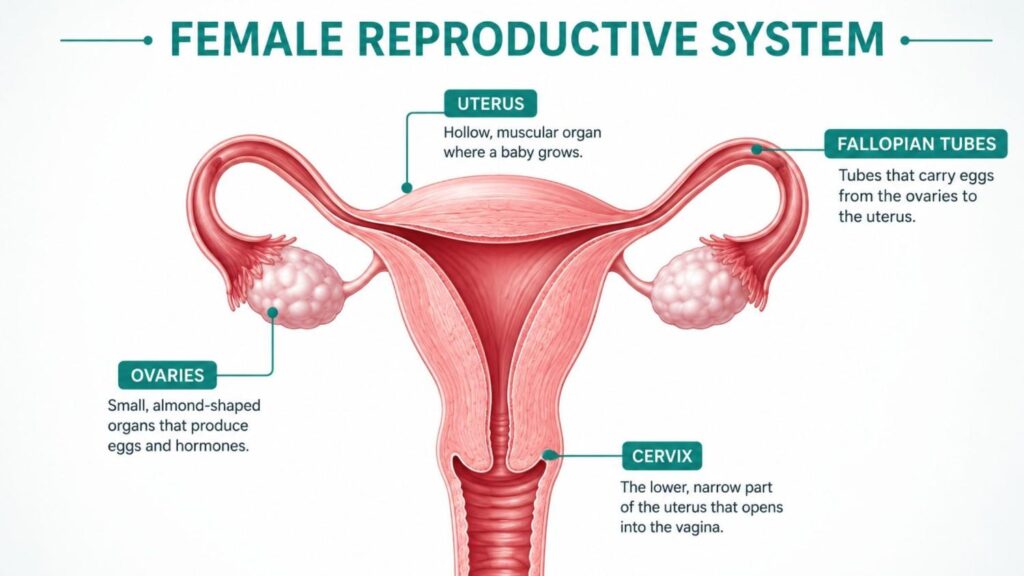
- Uterus removal: The uterus (and sometimes the cervix, ovaries, or fallopian tubes depending on the type) is removed either vaginally or in small pieces through the incisions.
- Closure: The tiny incisions are closed with dissolvable stitches or surgical tape.
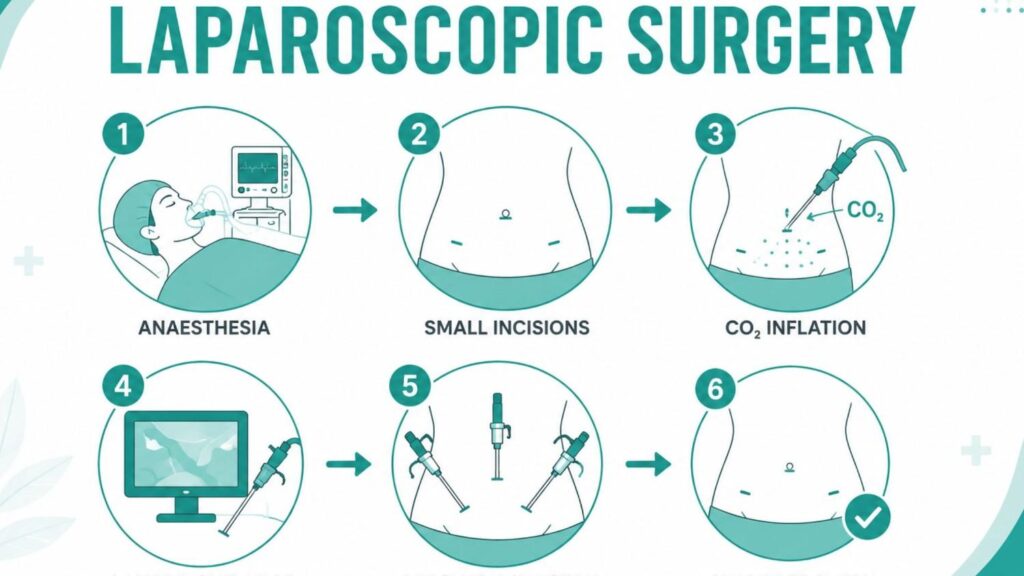
- CO₂ insufflation: Carbon dioxide gas is gently introduced to inflate the abdominal cavity, giving the surgeon clear visibility and working space.
- Laparoscope insertion: A thin tube with a high-definition camera is inserted through one incision. Live images are projected onto a monitor in the operating room.
- Instrument placement: Specialised tools are inserted through the remaining incisions to cut, cauterise, and remove the uterus.
Types of Laparoscopic Hysterectomy
Not all hysterectomies are the same. Your surgeon will recommend the type that best suits your diagnosis and anatomy.
1. Total Laparoscopic Hysterectomy (TLH)
The uterus and cervix are both removed entirely through laparoscopic technique. This is the most common type performed today.
2. Laparoscopic Subtotal (Supracervical) Hysterectomy
The uterus is removed but the cervix is left in place. This may preserve normal pelvic floor function for some women.
3. Laparoscopic Radical Hysterectomy
Performed primarily for cervical or endometrial cancer. This involves removing the uterus, cervix, upper vagina, and surrounding tissue. A more extensive procedure reserved for specific oncological indications.
4. Laparoscopic-Assisted Vaginal Hysterectomy (LAVH)
A hybrid approach where the laparoscope assists the surgery, but the uterus is removed through the vagina. This technique is used when vaginal access is preferable.
Who Needs a Laparoscopic Hysterectomy?
A gynaecologist recommends a laparoscopic hysterectomy when non-surgical treatments have not provided relief or when a condition poses serious health risks. You may be a candidate if you:
- Have been diagnosed with uterine fibroids causing significant bleeding or pressure
- Experience endometriosis that has not responded to medication or hormonal therapy
- Have been diagnosed with uterine, cervical, or early-stage ovarian cancer
- Suffer from chronic pelvic pain with a confirmed uterine cause
- Have abnormal or heavy uterine bleeding that disrupts your daily life
- Have a prolapsed uterus affecting bladder and bowel function
This decision is always made collaboratively between the patient and their specialist, considering age, future pregnancy plans, and overall health.
Conditions Treated
Uterine Fibroids
These non-cancerous growths inside or on the uterus can cause heavy menstrual bleeding, pelvic pain, and frequent urination. When fibroid-specific surgeries are not suitable, a hysterectomy offers a permanent solution.
Endometriosis
Tissue similar to the uterine lining grows outside the uterus, causing severe pain and fertility issues. For women who have completed their family and exhausted other options, laparoscopic hysterectomy can be life-changing.
Uterine Prolapse
When the uterus descends into the vaginal canal due to weakened pelvic muscles, it can affect quality of life significantly. Surgery corrects this structural problem.
Abnormal Uterine Bleeding (AUB)
Persistent heavy or irregular bleeding unresponsive to medications and minor procedures can be definitively addressed through hysterectomy.
Gynaecological Cancers
Laparoscopic hysterectomy is used in the surgical management of uterine and cervical cancers, especially in early stages where a minimally invasive approach is oncologically sound.
Benefits Over Open Surgery
Understanding what is laparoscopic hysterectomy’s advantage over traditional open surgery is important for informed decision-making.
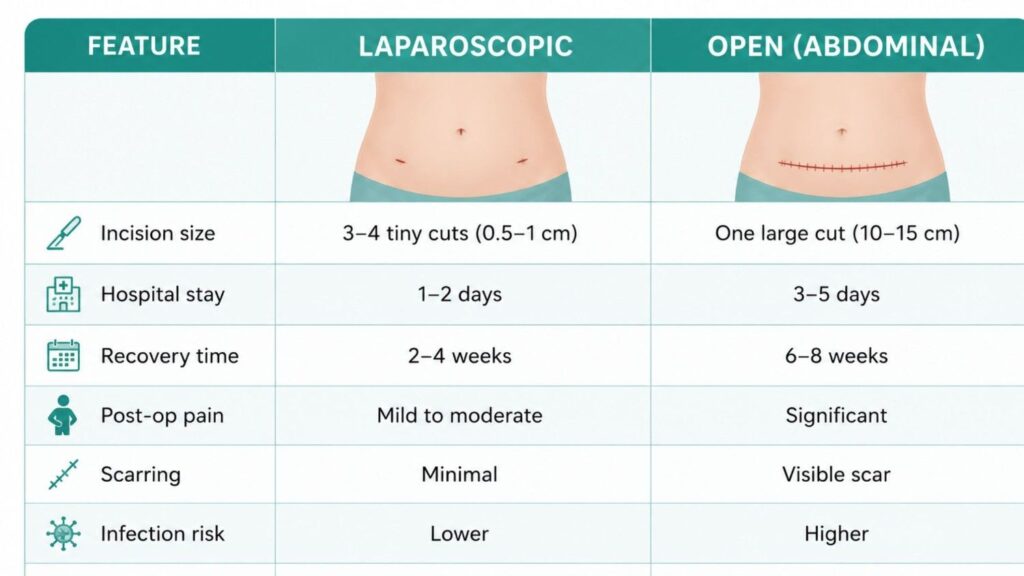
Additional benefits include:
- Better visualisation for the surgeon due to camera magnification
- Reduced blood loss during the procedure
- Lower risk of post-operative complications such as adhesions
- Improved cosmetic outcome
- Earlier return to normal activities and improved overall wellbeing
Risks and Considerations
Like any surgical procedure, a laparoscopic hysterectomy carries some risks. Being aware of them helps you have an honest conversation with your surgeon.
Possible risks include:
- Injury to nearby organs (bladder, ureter, bowel) — rare but possible
- Bleeding requiring conversion to open surgery
- Anaesthesia-related reactions
- Infection at the incision sites or internally
- Blood clots (deep vein thrombosis) in the legs
- Temporary shoulder or upper back pain from the CO₂ gas (usually resolves within 24–48 hours)
- Premature menopause if both ovaries are removed (surgical menopause)
Your surgical team will walk you through all risks during the pre-operative consultation and take every step to minimise them.
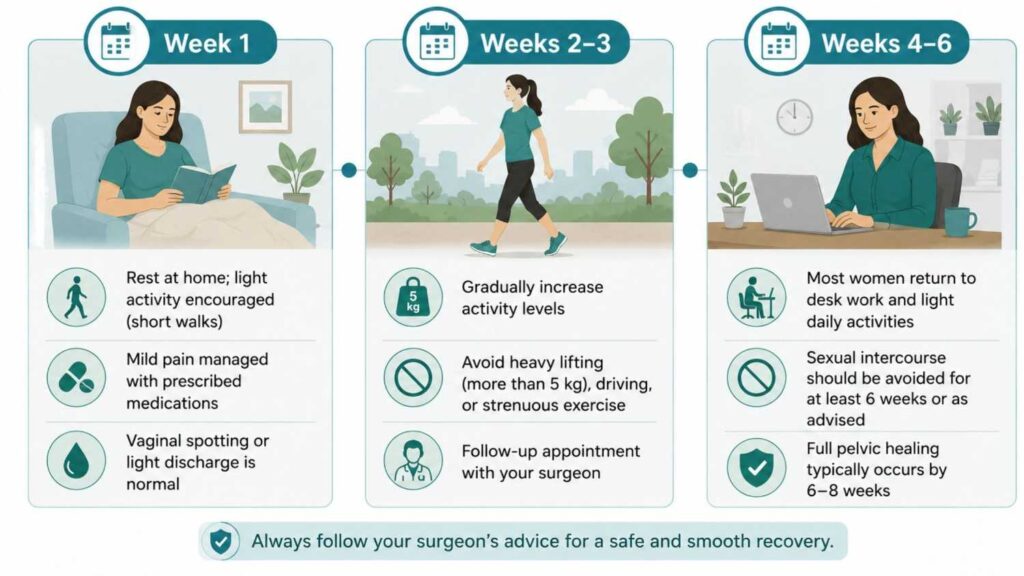
Recovery: What to Expect
Recovery after a laparoscopic hysterectomy is notably faster than open surgery, but it still requires patience and proper care.
Tips for a smooth recovery:
- Stay hydrated and eat fibre-rich foods to avoid constipation
- Use a pillow over your abdomen when coughing or sneezing
- Do not ignore signs of infection: fever above 38°C, unusual discharge, or worsening pain
- Attend all follow-up appointments without fail
Preparing for the Procedure
Preparation makes a significant difference in surgical outcomes. Here is what you should expect before the procedure:
- Pre-operative assessment: Blood tests, imaging (ultrasound or MRI), and an ECG if needed
- Medication review: Inform your doctor of all supplements and medications, especially blood thinners
- Fasting: No food or water for 6–8 hours before surgery
- Bowel preparation: May be recommended depending on the case
- Arrange home support: You will need someone to drive you home and assist for the first few days
- Discuss concerns openly: Ask about hormone replacement therapy (HRT) if your ovaries are being removed
Life After a Hysterectomy
Many women report a significant improvement in quality of life after a laparoscopic hysterectomy – especially relief from chronic pain, heavy bleeding, and the emotional burden of a long-unresolved gynaecological condition.
Key things to know:
- Menstruation stops permanently after uterus removal
- Pregnancy is no longer possible – this is an irreversible procedure
- Menopause may occur if ovaries are removed (surgical menopause), which your doctor will manage
- Pelvic floor exercises (Kegels) can support recovery and long-term continence
- Emotional support matters – some women experience a period of adjustment; speaking with a counsellor is encouraged if needed
Hormone levels, bone health, and cardiovascular health should be monitored regularly in the years following surgery, especially if ovary removal was involved.
Conclusion
Understanding what is laparoscopic hysterectomy empowers you to have a confident, informed conversation with your gynaecologist. This minimally invasive procedure offers a proven, effective path to relief for women dealing with fibroids, endometriosis, abnormal bleeding, prolapse, and gynaecological cancers. With smaller incisions, faster recovery, and excellent outcomes, it is the preferred choice for eligible patients across the world.
According to the American College of Obstetricians and Gynecologists (ACOG), laparoscopic and minimally invasive approaches to hysterectomy are recommended over open abdominal surgery whenever clinically appropriate, owing to their superior recovery profiles and reduced complication rates.
At GEM Hospital, our experienced gynaecological surgeons provide personalised, compassionate care ensuring every patient fully understands their options before making a decision. Whether you are in the early stages of researching or ready to consult a specialist, we are here to guide you every step of the way.
Table Of Contents
Laparoscopic Hysterectomy Cost
Laparoscopic hysterectomy cost may vary based on the hospital, surgeon’s experience, patient health condition, room category, and the type of procedure required. To understand the expected cost, treatment details, and recovery support, learn more through a proper consultation.
Benefits of Laparoscopic Hysterectomy
Benefits of laparoscopic hysterectomy include smaller incisions, less pain, reduced bleeding, shorter hospital stay, and faster recovery compared to traditional open surgery. It also helps patients return to daily activities sooner with minimal scarring and better post-surgery comfort.Learn more about Benefits
Laparoscopic Hysterectomy Procedure
Laparoscopic hysterectomy procedure is a minimally invasive surgery where the uterus is removed through small incisions using a laparoscope and specialized surgical instruments. This approach usually allows better precision, less pain, reduced scarring, and quicker recovery compared to open surgery.Learn More About Procedure
Laparoscopic Hysterectomy Recovery Time
Laparoscopic hysterectomy recovery time is usually shorter than open surgery because the procedure uses small incisions, causing less pain and faster healing.Learn more about Recovery time
Laparoscopic Hysterectomy Side Effects
Laparoscopic hysterectomy side effects may include mild pain, bloating, tiredness, light vaginal bleeding, and discomfort around the incision areas during the early recovery period. These symptoms usually improve with proper rest, medication, and follow-up care as advised by the doctor.Learn more about Side effects.
FREQUENTLY ASKED QUESTIONS
1. What is laparoscopic hysterectomy and how is it different from open surgery?
A laparoscopic hysterectomy uses small keyhole incisions and a camera to remove the uterus, while open surgery uses a single large abdominal incision. The laparoscopic approach results in shorter hospital stays, faster recovery, and less scarring.
2. Is a laparoscopic hysterectomy painful?
General anaesthesia ensures you feel nothing during the procedure. Post-operatively, you may experience mild to moderate discomfort, which is managed effectively with prescribed pain relief.
3. How long does the surgery take?
Most laparoscopic hysterectomies take between 1 and 3 hours, depending on the complexity of the case and the type of hysterectomy being performed.
4. Will I go into menopause after a hysterectomy?
If your uterus is removed but ovaries are retained, menopause will not be triggered surgically. If both ovaries are removed, you will experience surgical menopause immediately after surgery.
5. Can I become pregnant after a laparoscopic hysterectomy?
No. Since the uterus is removed, pregnancy is not possible after this procedure. It is considered a permanent, irreversible form of sterilisation.
6. How long will I stay in the hospital?
Most patients are discharged within 1 to 2 days of surgery, compared to 3 to 5 days for open abdominal hysterectomy.
7. When can I return to work after the procedure?
Women with desk jobs typically return to work within 2 to 4 weeks. Those with physically demanding roles may need 4 to 6 weeks before resuming work.
8. Are there any dietary restrictions after surgery?
In the initial days, a light diet is recommended to ease digestion. Staying hydrated and consuming fibre-rich foods helps prevent constipation, which is a common post-operative concern.
9. What are the signs of post-operative complications I should watch for?
Contact your doctor immediately if you experience fever above 38°C, severe abdominal pain, heavy vaginal bleeding, foul-smelling discharge, difficulty urinating, or swelling and pain in the legs.
10. Is laparoscopic hysterectomy suitable for cancer treatment?
Yes. Laparoscopic hysterectomy is performed for early-stage uterine and cervical cancers. For more advanced cancers, a laparoscopic radical hysterectomy or open surgery may be necessary depending on oncological guidelines.
Drs GEM Hospital, Thrissur
Drs GEM Hospital is a trusted healthcare centre in Thrissur known for comprehensive maternity care, advanced gynaecology services, and dedicated child health support. With more than four decades of medical service, the hospital focuses on safe pregnancy care, modern surgical procedures, and round-the-clock support for mothers and children.
The hospital provides patient-focused care supported by modern diagnostics, experienced healthcare professionals, and 24×7 essential medical services including laboratory, pharmacy, and ultrasound facilities.