
Fibroid Treatment Procedure
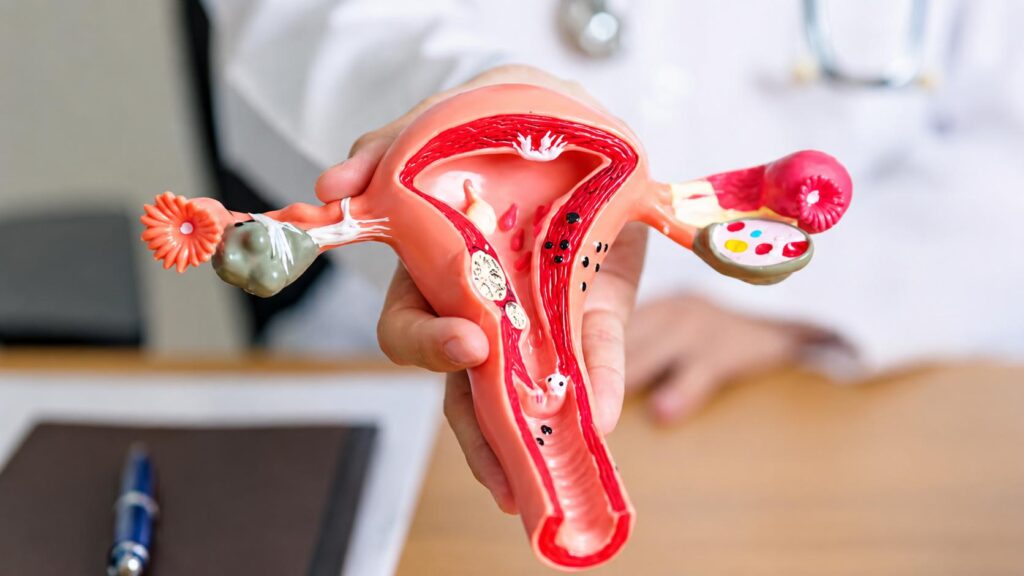
Fibroids are non-cancerous growths that develop in or around the uterus and are commonly seen in women during their reproductive years. Some fibroids remain small and symptom-free, while others may lead to discomfort, heavy menstrual bleeding, pelvic pressure, frequent urination, fertility concerns, and abdominal pain. Understanding the fibroid treatment procedure helps women make informed decisions about diagnosis, treatment options, and long-term reproductive health.
Modern gynecological care offers several advanced methods for fibroid management, including medications, minimally invasive procedures, and surgical treatments. The ideal fibroid treatment procedure depends on the size, number, location of fibroids, age, symptoms, and future pregnancy plans.
Early diagnosis and timely medical care may help reduce complications and improve quality of life.
What Are Uterine Fibroids?
Uterine fibroids are growths made of muscle and tissue that develop inside or outside the uterus. They are usually non-cancerous and may vary in size from very small nodules to larger masses.
Fibroids may grow slowly over time and can affect daily activities depending on their size and location. Some women may have a single fibroid, while others may have multiple fibroids.
Common Types of Fibroids
Intramural Fibroids
These fibroids develop within the muscular wall of the uterus and are among the most common types.
Submucosal Fibroids
These grow inside the uterine cavity and may cause heavy menstrual bleeding and fertility issues.
Subserosal Fibroids
These develop on the outer surface of the uterus and may press against nearby organs.
Pedunculated Fibroids
These fibroids grow on stalk-like structures either inside or outside the uterus.
Common Symptoms That May Need a Fibroid Treatment Procedure
Many women may not notice symptoms immediately. However, larger fibroids or multiple fibroids can cause discomfort and affect quality of life.
Frequent Symptoms Include
- Heavy menstrual bleeding
- Long menstrual cycles
- Pelvic pain or pressure
- Lower back pain
- Abdominal bloating
- Frequent urination
- Constipation
- Pain during intercourse
- Difficulty in conceiving
- Fatigue caused by anemia
Women experiencing these symptoms should seek medical evaluation to determine whether a fibroid treatment procedure is necessary.
Causes and Risk Factors of Fibroids
The exact cause of fibroids is not always known. However, several factors may increase the risk of developing fibroids.
Hormonal Changes
Estrogen and progesterone may contribute to fibroid growth.
Family History
Women with a family history of fibroids may have a higher risk.
Age and Reproductive Factors
Fibroids are more common during reproductive years.
Obesity
Excess body weight may increase hormone-related changes.
Lifestyle Factors
Poor diet, stress, and low physical activity may influence fibroid development.
Importance of Early Diagnosis
Early diagnosis helps prevent complications and supports better treatment outcomes. Delaying care may allow fibroids to grow larger and cause more severe symptoms.
Benefits of Early Detection
- Faster symptom relief
- Better fertility management
- Reduced risk of anemia
- Improved treatment planning
- More minimally invasive options
- Better quality of life
A timely fibroid treatment procedure can help reduce discomfort and improve daily functioning.
How Fibroids Are Diagnosed
Doctors use different diagnostic methods to confirm fibroids and understand their size and location.
Physical Examination
A pelvic examination may help identify enlargement or irregularities in the uterus.
Ultrasound Scan
Ultrasound imaging is commonly used to detect fibroids and evaluate their size.
MRI Scan
MRI helps provide detailed images for advanced treatment planning.
Blood Tests
Blood tests may check for anemia caused by heavy bleeding.
Hysteroscopy
A small camera may be inserted into the uterus to examine internal fibroids.
Understanding the Fibroid Treatment Procedure
The fibroid treatment procedure depends on the patient’s condition and treatment goals. Doctors usually recommend the safest and most effective option after proper evaluation.
Non-Surgical Fibroid Treatment Procedure
Some women may benefit from medications and monitoring.
Hormonal Medications
Hormonal therapy may help reduce bleeding and shrink fibroids temporarily.
Pain Management
Pain relief medicines may reduce discomfort during menstrual cycles.
Lifestyle Management
Healthy food habits, exercise, and stress management may support symptom control.
Minimally Invasive Fibroid Treatment Procedure
Minimally invasive methods involve smaller incisions and shorter recovery periods.
Uterine Artery Embolization
This fibroid treatment procedure blocks blood supply to fibroids, causing them to shrink.
MRI-Guided Focused Ultrasound
Focused ultrasound uses sound waves to destroy fibroid tissue without major surgery.
Hysteroscopic Myomectomy
Fibroids inside the uterus may be removed using instruments inserted through the vagina.
Surgical Fibroid Treatment Procedure
Surgical methods may be recommended for large or multiple fibroids.
Myomectomy
This fibroid treatment procedure removes fibroids while preserving the uterus.
Benefits of myomectomy include:
- Fertility preservation
- Reduced symptoms
- Uterus preservation
- Improved menstrual health
Hysterectomy
A hysterectomy removes the uterus completely and may be advised in severe cases.
Preparing for a Fibroid Treatment Procedure
Proper preparation helps improve treatment safety and recovery.
Medical Evaluation
Doctors may review medical history, medications, and test results.
Dietary Guidelines
Patients may receive instructions regarding food and fluid intake before treatment.
Medication Instructions
Certain medications may need temporary adjustment.
Mental Preparation
Understanding the procedure can reduce anxiety and improve confidence.
What Happens During a Fibroid Treatment Procedure?
The exact process depends on the selected treatment method.
Before the Procedure
- Vital signs are checked
- Consent is confirmed
- Preparation medications may be given
During the Procedure
The doctor performs the fibroid treatment procedure using appropriate medical techniques.
After the Procedure
Patients are monitored for recovery and comfort.
Recovery After Fibroid Treatment Procedure
Recovery time depends on the treatment type and overall health condition.
Recovery Tips
- Take enough rest
- Follow medication instructions
- Drink enough water
- Eat healthy foods
- Avoid heavy lifting
- Attend follow-up appointments
Expected Recovery Changes
Some women may notice:
- Reduced pelvic pain
- Lighter menstrual bleeding
- Improved energy levels
- Better bladder function
- Reduced abdominal pressure
Benefits of Fibroid Treatment Procedure
A fibroid treatment procedure can improve overall physical and emotional wellbeing.
Major Benefits
- Relief from heavy bleeding
- Reduced pelvic discomfort
- Better fertility support
- Improved daily comfort
- Better sleep quality
- Improved emotional wellbeing
- Reduced urinary pressure
- Better reproductive health
Risks and Possible Complications
Like any medical treatment, a fibroid treatment procedure may have certain risks depending on the patient’s condition and treatment type.
Possible Risks Include
- Infection
- Bleeding
- Temporary pain
- Scar tissue formation
- Fibroid recurrence
- Anesthesia-related risks
Doctors usually explain risks clearly before treatment.
Lifestyle Tips After Fibroid Treatment Procedure
Healthy habits may support long-term recovery and reduce future complications.
Helpful Lifestyle Practices
- Maintain healthy body weight
- Exercise regularly
- Eat iron-rich foods
- Reduce processed foods
- Stay hydrated
- Manage stress effectively
- Attend routine gynecological checkups
Fertility and Pregnancy After Fibroid Treatment Procedure
Many women are concerned about fertility after fibroid treatment.
Important Points to Know
- Fertility outcomes depend on fibroid size and location
- Myomectomy may support future pregnancy
- Regular follow-up is important
- Pregnancy planning should be discussed with a specialist
Women planning pregnancy should discuss fertility goals before selecting a fibroid treatment procedure.
When Should You Consult a Specialist?
Medical attention is important if symptoms become severe or interfere with daily activities.
Seek Medical Advice If You Experience
- Very heavy bleeding
- Severe pelvic pain
- Sudden abdominal swelling
- Difficulty urinating
- Chronic fatigue
- Fertility concerns
- Irregular menstrual cycles
Early consultation helps ensure safe diagnosis and timely fibroid treatment procedure planning.
How to Choose the Right Fibroid Treatment Procedure
Choosing the right fibroid treatment procedure depends on several important factors.
Factors Doctors Consider
- Age of the patient
- Fibroid size and number
- Severity of symptoms
- Fertility plans
- Overall health condition
- Previous medical history
Every patient requires a personalized treatment plan for the best outcomes.
Conclusion
Understanding the fibroid treatment procedure is important for women experiencing symptoms related to uterine fibroids. Early diagnosis, proper medical guidance, and personalized treatment planning can help reduce discomfort and improve long-term reproductive health. From medications and minimally invasive methods to advanced surgical care, different treatment options are available depending on the patient’s condition and future health goals.
A timely fibroid treatment procedure can improve daily comfort, reduce heavy bleeding, support fertility, and enhance overall quality of life. Women experiencing symptoms should seek professional evaluation to receive the right diagnosis and treatment support.
For additional information about uterine fibroids and women’s health, visit Office on Women’s Health.
Frequently Asked Questions
Drs GEM Hospital, Thrissur
Drs GEM Hospital is a trusted healthcare centre in Thrissur known for comprehensive maternity care, advanced gynaecology services, and dedicated child health support. With more than four decades of medical service, the hospital focuses on safe pregnancy care, modern surgical procedures, and round-the-clock support for mothers and children.
The hospital provides patient-focused care supported by modern diagnostics, experienced healthcare professionals, and 24×7 essential medical services including laboratory, pharmacy, and ultrasound facilities.