
For families and individuals in Thrissur, understanding the expected outcomes after a normal delivery helps create realistic expectations about physical recovery, emotional changes, and long-term wellbeing. Normal delivery leads to a series of natural changes in the body as it transitions from pregnancy to the postpartum phase. These results develop gradually and vary from person to person, depending on health, lifestyle, and postnatal care.
1. Immediate Physical Recovery Changes
After a normal delivery, the body begins healing almost immediately. The uterus starts contracting to return to its original size, which may cause mild cramping. Vaginal soreness or tenderness is common, especially in the first few days. Swelling in the lower body may also occur and usually reduces gradually.
Energy levels may feel low at first due to the physical effort of labor. Over time, strength and stamina improve as the body recovers.
2. Reduction in Postpartum Bleeding
One of the noticeable results after normal delivery is postpartum bleeding, also called lochia. This bleeding gradually changes in color and flow over several weeks. It typically starts heavier and becomes lighter with time. The gradual reduction in bleeding is a positive sign that the uterus is healing properly.
3. Uterine Shrinking and Abdominal Changes
The uterus gradually shrinks back to its pre-pregnancy size in the weeks following delivery. As this happens, the abdomen slowly becomes firmer. While the stomach may not return immediately to its previous shape, steady improvement is common with time and gentle activity.
Stretch marks and skin looseness may remain visible initially but often fade gradually.
4. Vaginal and Pelvic Area Recovery
After normal delivery, the vaginal area and surrounding muscles require time to heal. Mild discomfort, tightness, or sensitivity may occur during the early recovery phase. Over time, tissues regain strength and flexibility.
Pelvic floor muscles that were stretched during childbirth slowly recover, contributing to improved bladder control and pelvic stability.
5. Improvement in Mobility and Comfort
In the days following delivery, movement may feel uncomfortable. As healing progresses, walking, sitting, and daily activities become easier. Increased comfort and improved posture are common results of gradual physical recovery.
By following appropriate activity levels and rest, most individuals notice steady improvement in mobility.
6. Emotional and Mental Wellbeing Changes
Hormonal shifts after childbirth can influence mood and emotions. In the initial days, emotional sensitivity or mood fluctuations may occur. Over time, emotional balance usually improves as hormone levels stabilize.
A growing sense of confidence in caring for the newborn is another positive emotional result that develops gradually during the postpartum period.
7. Bonding and Psychological Adjustment
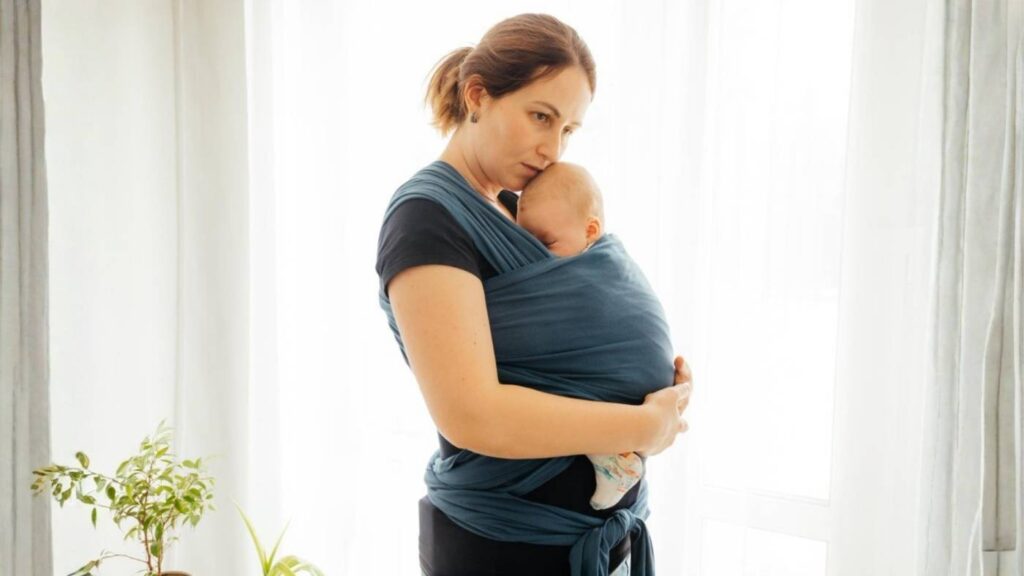
One of the most meaningful results after normal delivery is the emotional connection formed with the newborn. Bonding develops through daily care, interaction, and physical closeness.
Adjustment to new responsibilities takes time. As routines become established, many individuals experience increased emotional stability and confidence.
8. Breast Changes and Feeding Adaptation
After normal delivery, breast changes occur as milk production begins. Fullness, tenderness, or leakage may be noticed in the early days. With regular feeding or milk expression, discomfort usually reduces.
Over time, the body adapts to feeding routines, and breast-related discomfort becomes less frequent.
9. Gradual Return of Strength and Energy
Fatigue is common during the early postpartum period. As sleep patterns stabilize and the body heals, energy levels gradually increase. Improved stamina is a key result that becomes noticeable over several weeks.
Balanced nutrition and adequate rest support the return of physical strength.
10. Changes in Weight and Body Shape
Weight changes occur naturally after delivery. Initial weight loss happens as the body sheds pregnancy-related fluids. Additional gradual changes continue over time as metabolism and activity levels adjust.
Body shape may take weeks or months to stabilize. Normal delivery results in gradual physical adaptation rather than immediate changes.
11. Hormonal Stabilization Over Time
Hormonal levels shift significantly after childbirth. These changes affect mood, appetite, sleep, and physical sensations. Over time, hormones gradually stabilize, leading to improved emotional balance and physical comfort.
This stabilization process is an important long-term result of postpartum recovery.
12. Improvement in Digestion and Appetite
Digestive patterns may change after delivery. Some individuals experience increased appetite as the body recovers and supports feeding demands. Over time, digestion and appetite usually normalize.
Regular meals and hydration contribute to overall recovery outcomes.
13. Urinary and Bowel Function Recovery
Temporary changes in bladder control or bowel habits can occur after normal delivery. As pelvic muscles regain strength, control typically improves.
Improved comfort during daily activities is a positive result that develops with healing and gentle movement.
14. Skin and Hair Changes
Skin pigmentation changes and hair shedding may occur during the postpartum period due to hormonal adjustments. These changes are temporary for most individuals.
Gradual improvement in skin tone and hair growth patterns is commonly seen within a few months.
15. Improved Physical Confidence
As the body heals and strength returns, many individuals experience increased confidence in movement and physical ability. Daily activities become easier, and physical independence improves.
This confidence is an important psychological and physical result of recovery after normal delivery.
16. Adaptation to New Daily Routines
Life after childbirth involves adjusting to new schedules and responsibilities. Over time, daily routines become more structured and manageable.
This adaptation supports emotional wellbeing and contributes to a smoother transition into parenthood.
17. Long-Term Pelvic Health Outcomes
With proper recovery and gentle strengthening, pelvic muscles regain stability and function. Long-term pelvic health is an important outcome of postpartum healing.
Improved posture, core strength, and pelvic support develop gradually over time.
18. Improved Sleep Patterns Over Time
Sleep may be irregular initially due to newborn care. Over time, sleep patterns gradually improve as routines are established.
Better sleep contributes to increased energy, emotional balance, and overall wellbeing.
19. Emotional Growth and Adjustment
The postpartum period often brings emotional growth. Many individuals report increased resilience, patience, and emotional awareness as they adapt to new responsibilities.
This emotional development is a meaningful long-term result of the childbirth experience.
20. Overall Recovery and Wellbeing Outcomes
Normal delivery leads to gradual physical healing, emotional adjustment, and lifestyle adaptation. While each recovery journey is unique, steady improvement is expected with time and appropriate care.
For individuals and families in Thrissur, understanding what results can be expected after normal delivery helps promote realistic expectations and informed recovery planning. The postpartum period is a phase of healing, adaptation, and growth that supports long-term health and family wellbeing.
In conclusion, the results after normal delivery include physical healing, hormonal stabilization, emotional adjustment, and gradual return of strength. With patience, proper rest, and supportive care, most individuals experience positive recovery outcomes and improved overall wellbeing.
Table Of Content
INTRODUCTION:
Normal delivery is the natural vaginal birth process in which a baby is delivered without major surgical intervention. Introduction
RISKS
Normal delivery may involve risks such as perineal tears, bleeding, infection, prolonged labor, or temporary pelvic floor weakness. Risks
PREPARATION
Preparation includes regular antenatal check-ups, birth planning, prenatal exercises, proper nutrition, and understanding the labor process. Preparation
STEPS
Normal delivery generally progresses through labor onset, cervical dilation, pushing and birth of the baby, and delivery of the placenta. Steps
RECOVERY
Recovery usually involves gradual healing, reduced discomfort over days to weeks, uterine contraction normalization, and return of energy levels. Recovery
BEFORE AND AFTER
Before-and-after experiences often reflect the transition from labor pain and effort to relief, recovery, and maternal adaptation. Before-and-after
TERMS
Common terms include labor, contractions, dilation, effacement, pushing stage, and placenta. Terms
CHOOSING THE BEST HOSPITAL
Choosing the best hospital for normal delivery in Thrissur involves considering maternity facilities, emergency support, experienced staff, and postnatal care availability. Choosing the best hospital
Frequently Asked Questions
1. How soon will my body start recovering after normal delivery?
The body begins healing immediately after delivery, with gradual improvements over the following weeks.
2. Is it normal to feel tired after normal delivery?
Yes, fatigue is common in the early postpartum period due to physical recovery and sleep changes.
3. When does postpartum bleeding usually reduce?
Postpartum bleeding usually reduces gradually over several weeks as the uterus heals.
4. How long does it take for the uterus to return to its normal size?
The uterus generally shrinks back to its pre-pregnancy size within a few weeks after delivery.
5. Are emotional changes common after normal delivery?
Yes, emotional changes may occur due to hormonal shifts and usually improve with time.
6. When do energy levels start improving after delivery?
Energy levels usually improve gradually over the first few weeks with adequate rest and nutrition.
7. Will my body shape return to normal after delivery?
Body shape changes happen gradually and may take weeks or months to stabilize.
8. Is pelvic muscle recovery part of postpartum healing?
Yes, pelvic muscles slowly regain strength as part of the natural recovery process.
9. Do sleep patterns improve after childbirth?
Sleep patterns usually improve over time as daily routines become more established.
10. Are recovery results the same for everyone after normal delivery?
No, recovery experiences vary depending on individual health and personal circumstances.