
What Is Normal Delivery?
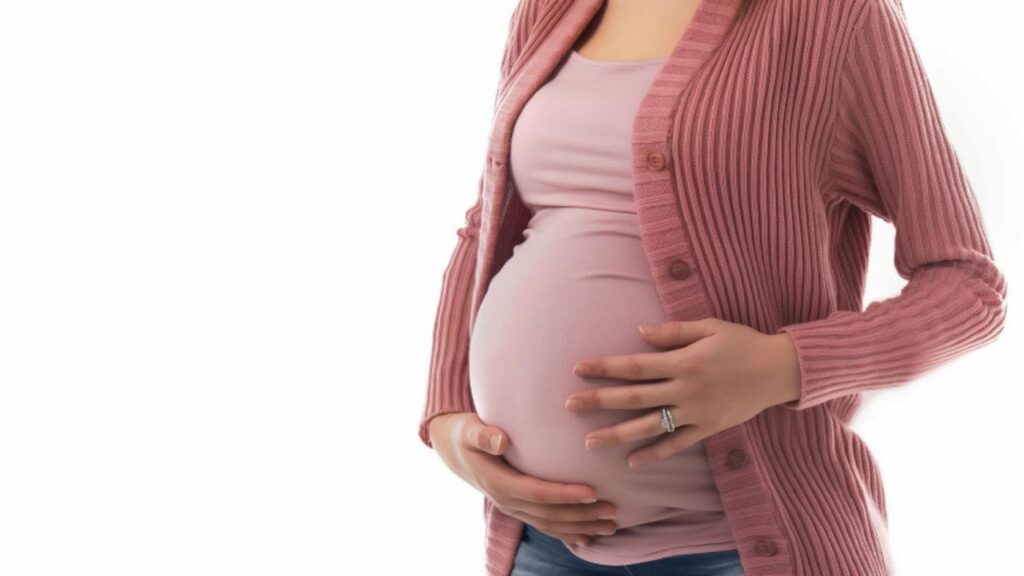
For expectant families in Thrissur, understanding what normal delivery is can help prepare for childbirth with clarity and confidence. Normal delivery, also known as vaginal delivery, refers to the natural process in which a baby is born through the birth canal without major surgical intervention. It is a physiological event that involves coordinated physical, hormonal, and emotional changes in the body, allowing childbirth to occur naturally over a period of time.
Normal delivery is commonly preferred when pregnancy progresses without major complications and both the mother and baby are in stable condition. The process follows a series of natural stages that support the safe birth of the baby and the recovery of the mother.
1. Definition of Normal Delivery
Normal delivery is the natural method of childbirth in which labor begins spontaneously, the cervix gradually opens, and the baby passes through the vaginal canal. It does not involve planned surgical procedures such as cesarean section. In many cases, normal delivery allows the body to follow its natural rhythm of labor and birth.
This method of delivery relies on the body’s natural ability to prepare for labor through hormonal changes and physical adaptations that support the birthing process.
2. Stages Involved in Normal Delivery
Normal delivery typically occurs in three main stages. Each stage plays an important role in the childbirth process.
The first stage involves the onset of labor and gradual opening of the cervix. Contractions become more regular and stronger over time. The second stage is the pushing phase, during which the baby moves through the birth canal and is born. The third stage occurs after birth and involves the delivery of the placenta.
These stages allow the body to progress step by step through labor and birth.
3. Physical Benefits of Normal Delivery
Normal delivery is associated with natural physical recovery processes. Since it does not involve major surgical procedures, the body often begins healing soon after birth. Mobility typically returns gradually, allowing individuals to resume basic activities with appropriate rest.
The natural hormonal response during labor and birth also supports uterine contraction and postpartum recovery.
4. Emotional and Psychological Aspects
Normal delivery can have emotional significance for many individuals. The experience often brings a sense of accomplishment, emotional connection, and bonding with the newborn.
Hormonal changes during childbirth can influence emotions, creating feelings of joy, relief, and emotional sensitivity. Emotional recovery is an important part of the postpartum period.
5. Role of Breathing and Physical Effort
Breathing patterns and controlled physical effort play a key role in normal delivery. During labor, steady breathing supports relaxation and helps manage physical sensations. During the pushing phase, coordinated effort assists the baby’s movement through the birth canal.
These natural techniques work together with the body’s contractions to support childbirth.
6. Recovery After Normal Delivery
Recovery after normal delivery begins immediately after birth. The uterus gradually returns to its pre-pregnancy size, and postpartum bleeding decreases over time. Mild soreness or discomfort in the pelvic area is common and usually improves gradually.
Energy levels increase slowly as the body heals and adjusts to postpartum changes.
7. Differences Between Normal Delivery and Other Delivery Methods
Normal delivery differs from surgical birth methods in several ways. It follows the body’s natural labor process and does not require abdominal surgery. Recovery timelines, physical sensations, and postpartum experiences may vary between delivery methods.
Understanding these differences helps individuals make informed decisions during pregnancy planning.
8. Factors That Influence Normal Delivery
Several factors can influence the progress of normal delivery. These include overall health, physical fitness, emotional readiness, labor duration, and individual anatomy.
Each childbirth experience is unique. While the stages of labor follow a general pattern, the duration and intensity of each phase can differ from one person to another.
9. Common Physical Sensations During Normal Delivery
Normal delivery involves a range of physical sensations. These may include abdominal tightening, pelvic pressure, lower back discomfort, and muscle fatigue. These sensations occur as the body works to guide the baby through the birth canal.
Understanding these sensations helps individuals recognize normal labor progress and prepare mentally for childbirth
10. Importance of Support During Normal Delivery
Emotional and physical support plays an important role during normal delivery. Support from family members, partners, and caregivers helps create a calm environment and promotes emotional stability.
A supportive atmosphere can improve comfort levels and contribute to a positive childbirth experience.
11. Understanding Normal Delivery as a Natural Process
Normal delivery is a natural biological process that involves preparation, labor, birth, and recovery. It reflects the body’s ability to adapt and respond to the demands of childbirth.
For families in Thrissur, understanding what normal delivery is supports informed preparation and realistic expectations. Awareness of the stages, physical changes, and emotional aspects helps individuals approach childbirth with confidence and clarity.
In conclusion, normal delivery is the natural method of childbirth that allows the body to follow its physiological process of labor and birth. With appropriate preparation, emotional support, and postnatal care, normal delivery supports healthy recovery and long-term wellbeing for both the mother and the newborn.
Table Of Content
RISKS
Normal delivery may involve risks such as perineal tears, bleeding, infection, prolonged labor, or temporary pelvic floor weakness. Risks
PREPARATION
Preparation includes regular antenatal check-ups, birth planning, prenatal exercises, proper nutrition, and understanding the labor process. Preparation
STEPS
Normal delivery generally progresses through labor onset, cervical dilation, pushing and birth of the baby, and delivery of the placenta. Steps
RECOVERY
Recovery usually involves gradual healing, reduced discomfort over days to weeks, uterine contraction normalization, and return of energy levels. Recovery
RESULTS
Most women experience physical recovery, emotional bonding with the baby, and gradual return to daily activities with appropriate rest. Results
BEFORE AND AFTER
Before-and-after experiences often reflect the transition from labor pain and effort to relief, recovery, and maternal adaptation. Before-and-after
TERMS
Common terms include labor, contractions, dilation, effacement, pushing stage, and placenta. Terms
CHOOSING THE BEST HOSPITAL
Choosing the best hospital for normal delivery in Thrissur involves considering maternity facilities, emergency support, experienced staff, and postnatal care availability. Choosing the best hospital
Frequently Asked Questions
1. What is meant by normal delivery?
Normal delivery refers to the natural childbirth process in which the baby is born through the vaginal canal without major surgical intervention.
2. How does the body prepare for normal delivery?
The body prepares through hormonal changes that soften the cervix and help the uterus respond to contractions.
3. What are the main stages of normal delivery?
The main stages include early labor, active labor, the pushing phase, and delivery of the placenta.
4. Is normal delivery the same for everyone?
No, each person’s labor experience can vary in duration and intensity depending on individual factors.
5. What physical sensations are common during normal delivery?
Common sensations include abdominal tightening, pelvic pressure, and lower back discomfort.
6. How long does normal delivery usually take?
The duration varies and can take several hours, especially for first-time mothers.
7. What happens after the baby is born during normal delivery?
After birth, the placenta is delivered and the uterus begins contracting to reduce bleeding.
8. Does recovery start immediately after normal delivery?
Yes, physical recovery begins soon after birth as the body starts healing and adjusting.
9. Is emotional bonding part of the normal delivery experience?
Yes, many individuals experience emotional connection and bonding with the newborn after delivery.
10. Why is it helpful to understand normal delivery in advance?
Understanding the process helps reduce anxiety and prepares individuals for childbirth and recovery.