
What Should I Expect During Normal Delivery Recovery?
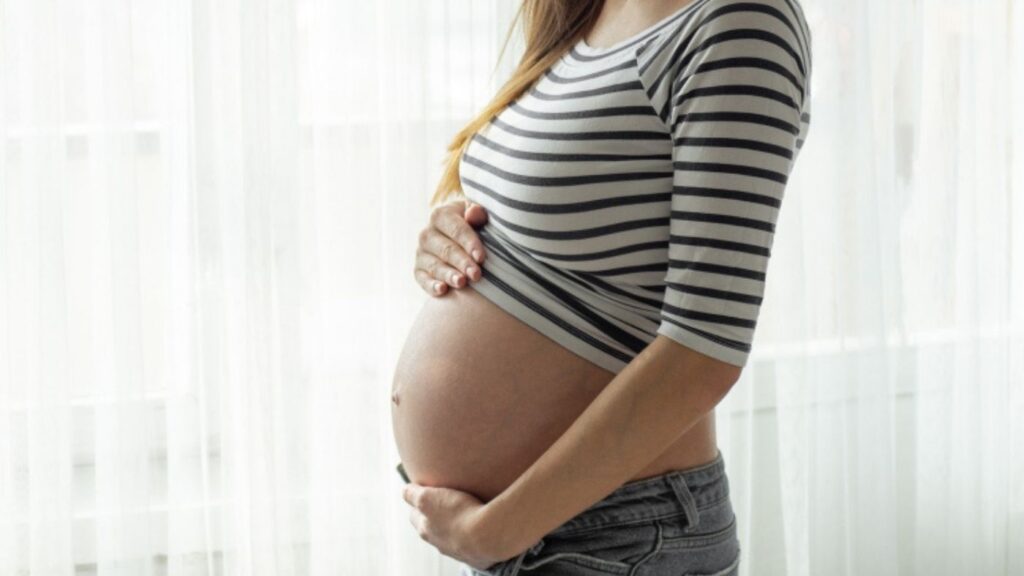
For individuals experiencing childbirth in Thrissur, understanding what should be expected during normal delivery recovery helps reduce anxiety and supports a smoother transition into the postnatal period. Normal delivery recovery is a gradual process in which the body heals, adapts hormonally, and regains strength after childbirth. While many changes are part of a natural healing process, recovery experiences can vary based on individual health, labor duration, and post-delivery care.
1. Immediate Physical Changes After Normal Delivery
Soon after a normal delivery, the body begins adjusting to the absence of pregnancy. Mild to moderate vaginal bleeding, known as lochia, is common and gradually reduces over a few weeks. The uterus contracts to return to its pre-pregnancy size, which may cause cramp-like sensations, especially during breastfeeding. Fatigue is also common due to the physical effort of labor and hormonal shifts.
2. Vaginal and Perineal Healing
During normal delivery recovery, the vaginal area may feel sore, swollen, or tender. If there were minor tears or an episiotomy, healing typically occurs over a few weeks. Discomfort usually improves steadily with rest and proper hygiene. Sitting, walking, and basic movements may feel uncomfortable initially but become easier with time.
3. Postpartum Bleeding and Discharge
Post-delivery bleeding changes in color and flow over time, moving from bright red to pink, brown, and eventually a light discharge. This process can last several weeks and is part of normal recovery. Gradual reduction without foul odor or severe pain is usually expected during normal delivery recovery.
4. Pain and Discomfort Management
Mild pain or aching in the lower abdomen, back, and pelvic region is common after delivery. These sensations are usually manageable and lessen as the body heals. Gentle movement, proper posture, and rest help reduce discomfort during the recovery phase.
5. Hormonal Changes and Emotional Wellbeing
Hormonal fluctuations after childbirth can lead to mood changes. Emotional sensitivity, tearfulness, or mood swings may occur in the early days following delivery. These changes are often temporary and improve as hormone levels stabilize. Emotional recovery is an important part of normal delivery recovery and should be approached with patience and support.
6. Energy Levels and Fatigue
Feeling tired during recovery is common due to physical healing, interrupted sleep, and newborn care. Energy levels usually improve gradually over the first few weeks. Adequate rest and balanced nutrition support recovery and help restore strength.
7. Breast Changes During Recovery
Breast fullness, tenderness, or milk leakage can occur as milk production begins. These changes are a normal part of postpartum recovery. Breastfeeding or milk expression often helps relieve discomfort, and the body usually adjusts within a short period.
8. Urinary and Bowel Changes
Some individuals may experience temporary difficulty controlling urine or mild discomfort during bowel movements after delivery. These changes usually improve as pelvic muscles recover. Staying hydrated and maintaining gentle activity can support this aspect of normal delivery recovery.
9. Physical Activity and Mobility
Light movement and walking are generally encouraged soon after delivery to promote circulation and healing. Strenuous activity should be avoided initially. Gradual return to daily activities helps the body regain strength without overexertion.
10. Pelvic Floor Recovery
Pelvic floor muscles stretch during childbirth and need time to recover. Gentle exercises may help restore strength and support bladder control over time. Recovery of pelvic floor function is an important part of overall postnatal healing.
11. Appetite and Nutrition During Recovery
Appetite may fluctuate after delivery. Eating balanced meals supports tissue healing, energy restoration, and overall wellbeing. Adequate nutrition plays a key role in sustaining recovery during the postpartum period.
12. Sleep Patterns After Normal Delivery
Sleep may be irregular due to newborn care and hormonal changes. Short rest periods throughout the day can help manage fatigue. Sleep patterns usually stabilize gradually as recovery progresses.
13. Postpartum Body Changes
Weight changes, abdominal softness, and skin changes are common after delivery. The body slowly adapts over time. Normal delivery recovery focuses on gradual healing rather than immediate physical changes.
14. Follow-Up Care and Monitoring
Postnatal check-ups help monitor healing and recovery progress. These visits provide an opportunity to address concerns related to physical or emotional wellbeing during the recovery phase.
15. Individual Differences in Recovery
Normal delivery recovery does not follow a fixed timeline. Factors such as overall health, labor experience, and support systems influence healing. Comparing recovery experiences is not helpful, as each individual heals at their own pace.
16. Signs of Healthy Recovery
Gradual reduction in pain, improved mobility, stable emotions, and increasing energy are positive signs of recovery. Awareness of the body’s changes helps individuals understand what is normal during healing.
17. Emotional Adjustment to Parenthood
Adjusting to new responsibilities can affect emotional wellbeing. Emotional recovery is as important as physical healing and is a natural part of the postpartum journey.
18. Long-Term Recovery Expectations
While many changes resolve within weeks, some aspects of recovery may take longer. Full recovery is a gradual process that continues beyond the initial postpartum period.
19. Supporting Recovery Through Self-Care
Self-care practices such as rest, hydration, gentle movement, and emotional support play a vital role in recovery. Listening to the body’s needs supports long-term wellbeing.
20. Understanding Normal Delivery Recovery in Context
For families and individuals in Thrissur, knowing what should be expected during normal delivery recovery promotes confidence and preparedness. Recovery is a process of healing, adjustment, and gradual return to daily life, guided by patience and appropriate care.
In conclusion, normal delivery recovery involves physical healing, emotional adjustment, and gradual restoration of strength. Understanding these changes helps individuals approach the postpartum period with realistic expectations and confidence as the body completes its natural recovery process.
Table Of Content
INTRODUCTION:
Normal delivery is the natural vaginal birth process in which a baby is delivered without major surgical intervention. Introduction
RISKS
Normal delivery may involve risks such as perineal tears, bleeding, infection, prolonged labor, or temporary pelvic floor weakness. Risks
PREPARATION
Preparation includes regular antenatal check-ups, birth planning, prenatal exercises, proper nutrition, and understanding the labor process. Preparation
STEPS
Normal delivery generally progresses through labor onset, cervical dilation, pushing and birth of the baby, and delivery of the placenta. Steps
RESULTS
Most women experience physical recovery, emotional bonding with the baby, and gradual return to daily activities with appropriate rest. Results
BEFORE AND AFTER
Before-and-after experiences often reflect the transition from labor pain and effort to relief, recovery, and maternal adaptation. Before-and-after
TERMS
Common terms include labor, contractions, dilation, effacement, pushing stage, and placenta. Terms
CHOOSING THE BEST HOSPITAL
Choosing the best hospital for normal delivery in Thrissur involves considering maternity facilities, emergency support, experienced staff, and postnatal care availability. Choosing the best hospital
Frequently Asked Questions
1. How long does normal delivery recovery usually take?
Recovery varies for each individual, but most physical healing improves within a few weeks.
2. Is bleeding normal after a normal delivery?
Yes, mild to moderate bleeding is normal and gradually decreases during recovery.
3. When does pain usually reduce after delivery?
Discomfort typically reduces over the first few days to weeks as the body heals.
4. Are mood changes common during recovery?
Yes, emotional changes may occur due to hormonal shifts and usually settle over time.
5. When can I start walking after normal delivery?
Light walking is usually encouraged soon after delivery to support healing.
6. Is feeling tired normal during recovery?
Yes, fatigue is common in the early recovery period due to physical healing and sleep changes.
7. Do pelvic muscles recover after normal delivery?
Pelvic muscles usually regain strength gradually as part of the natural recovery process.
8. Are urinary changes common after delivery?
Temporary changes in bladder control can occur and usually improve with time.
9. How long does it take to regain energy after delivery?
Energy levels improve gradually over several weeks depending on rest and overall health.
10. Is emotional recovery important after normal delivery?
Yes, emotional adjustment is an important part of overall recovery after childbirth.