
9 Essential Signs: When Should You Visit a Gynecologist Now?
Understanding when should you visit a gynecologist? is an important part of protecting your reproductive and overall health. Many women wait until symptoms become severe before seeking medical advice. However, regular checkups and early evaluation can help identify menstrual disorders, infections, hormonal changes, pregnancy concerns, and other conditions before they progress. Women looking for professional gynecological care in Thrissur can consult a qualified specialist for routine examinations, preventive screening, diagnosis, and personalised treatment.
A gynecologist supports women through adolescence, menstruation, family planning, pregnancy, fertility concerns, menopause, and later life. You do not need to wait for a major health problem to schedule an appointment.
When Should You Visit a Gynecologist for the First Time?
Many people wonder when should you visit a gynecologist? for an initial consultation. A first visit may be useful during adolescence, after menstrual periods begin, when reproductive health questions arise, or whenever unusual symptoms occur.
The first consultation often focuses on conversation, education, medical history, menstrual patterns, vaccinations, hygiene, and general reproductive health. An internal pelvic examination is not automatically required during a young person’s first appointment unless symptoms such as abnormal bleeding, discharge, abdominal pain, or pelvic pain make it necessary.
A first visit may be considered for:
- Irregular or painful menstrual periods
- Menstrual periods that have not started as expected
- Questions about physical development
- Unusual discharge, itching, or irritation
- Contraception advice
- Vaccination guidance
- Reproductive health education
- Concerns about sexual health
- Persistent lower abdominal pain
- Questions about personal hygiene
A gynecologist can explain what is normal, what needs monitoring, and whether any tests are necessary.
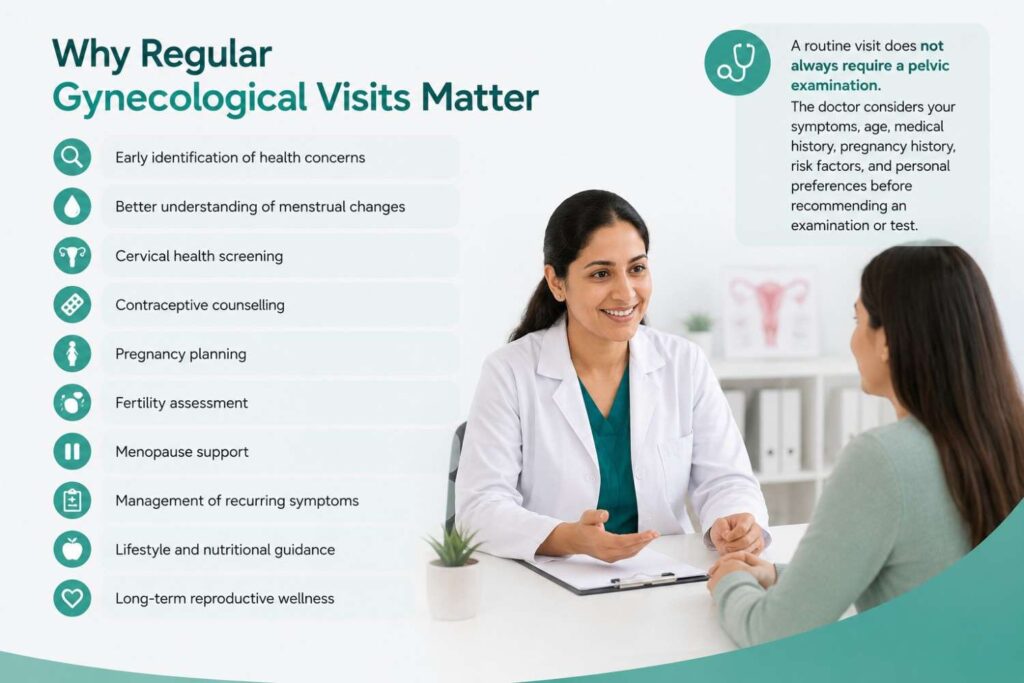
Why Regular Gynecological Visits Matter
The question when should you visit a gynecologist? is not limited to illness. Preventive consultations give women an opportunity to discuss menstrual health, contraception, pregnancy planning, sexual health, menopause, bone health, and recommended screening.
Regular appointments may support:
- Early identification of health concerns
- Better understanding of menstrual changes
- Cervical health screening
- Contraceptive counselling
- Pregnancy planning
- Fertility assessment
- Menopause support
- Management of recurring symptoms
- Lifestyle and nutritional guidance
- Long-term reproductive wellness
A routine visit does not always require a pelvic examination. The doctor considers your symptoms, age, medical history, pregnancy history, risk factors, and personal preferences before recommending an examination or test.
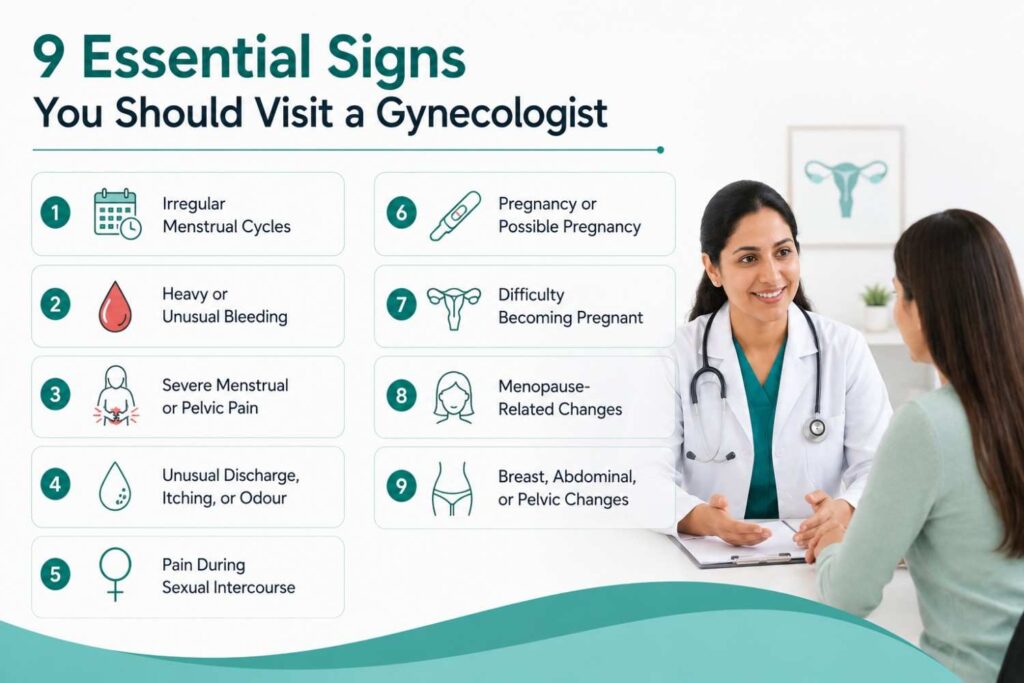
9 Essential Signs You Should Visit a Gynecologist
1. Irregular Menstrual Cycles
When should you visit a gynecologist? One of the most common reasons is a noticeable change in the menstrual cycle.
Periods can occasionally arrive earlier or later because of stress, travel, weight changes, illness, exercise, or temporary hormonal fluctuations. However, repeated irregularity deserves medical attention.
Consult a gynecologist when you experience:
- Frequently missed periods
- Periods occurring unusually close together
- Cycles that remain unpredictable
- Bleeding lasting longer than usual
- Sudden changes in a previously regular cycle
- Menstrual changes accompanied by weight gain or acne
- No menstrual period for several months without pregnancy
Possible causes include hormonal imbalance, polycystic ovary syndrome, thyroid disorders, changes in body weight, certain medications, pregnancy, perimenopause, or other medical conditions.
The doctor may recommend blood tests, pregnancy testing, hormonal evaluation, or an ultrasound based on your symptoms.
2. Heavy or Unusual Bleeding
When should you visit a gynecologist? Seek an appointment when menstrual bleeding becomes unusually heavy or when bleeding occurs outside your normal period.
Unusual bleeding may include:
- Bleeding between periods
- Bleeding after sexual intercourse
- Bleeding after menopause
- Periods lasting more days than usual
- Passing large blood clots
- Needing to change menstrual products very frequently
- Bleeding accompanied by weakness or dizziness
Possible causes include hormonal changes, fibroids, polyps, adenomyosis, pregnancy-related concerns, infections, medication effects, bleeding disorders, or changes in the uterine lining.
Keeping a diary of bleeding days, flow level, pain, and associated symptoms can help the gynecologist understand the pattern. ACOG advises discussing abnormal uterine bleeding with a healthcare professional. Extremely heavy bleeding accompanied by dizziness, breathlessness, or chest pain requires emergency medical attention.
3. Severe Menstrual or Pelvic Pain
Mild menstrual discomfort can occur, but severe, persistent, or worsening pain should not be ignored.
When should you visit a gynecologist? Arrange an evaluation when pain:
- Prevents normal daily activities
- Does not improve with usual pain relief
- Becomes progressively worse
- Occurs between menstrual periods
- Appears during urination or bowel movements
- Is associated with heavy bleeding
- Develops suddenly and intensely
- Continues for several weeks
Pelvic pain may be linked with menstrual cramps, endometriosis, ovarian cysts, fibroids, adenomyosis, pelvic infection, urinary conditions, bowel problems, or pregnancy-related complications.
Severe pelvic pain, especially with heavy bleeding, fainting, fever, vomiting, or possible pregnancy, may need urgent assessment.
4. Unusual Discharge, Itching, or Odour
Normal vaginal discharge can change throughout the menstrual cycle. However, a significant change in its colour, amount, consistency, or smell may indicate an infection or another condition.
When should you visit a gynecologist? Schedule a consultation if discharge is accompanied by:
- Strong or unpleasant odour
- Persistent itching
- Burning sensation
- Redness or swelling
- Pain while urinating
- Pelvic discomfort
- Bleeding
- Fever
- Repeated infections
Possible causes include yeast infection, bacterial imbalance, sexually transmitted infection, irritation from personal care products, hormonal changes, or inflammation.
Avoid self-treating repeated symptoms without a diagnosis. Different conditions may cause similar signs but require different treatments. Unusual discharge combined with pelvic pain or bleeding deserves timely medical evaluation.
5. Pain During Sexual Intercourse
Occasional discomfort can happen because of dryness, anxiety, irritation, or temporary muscle tension. Frequent or severe pain should be discussed with a healthcare professional.
When should you visit a gynecologist? Seek medical advice when pain during intercourse:
- Happens repeatedly
- Is severe
- Has recently developed
- Is associated with bleeding
- Occurs with pelvic pressure
- Continues after intercourse
- Is accompanied by unusual discharge
- Affects emotional well-being or relationships
Possible causes include dryness, infections, pelvic floor muscle problems, ovarian cysts, endometriosis, inflammation, scar tissue, hormonal changes, or other gynecological conditions.
A gynecologist may discuss the location and pattern of the pain, perform an examination when appropriate, and recommend tests or treatment. Frequent or severe pain during intercourse should be professionally evaluated.
6. Pregnancy or Possible Pregnancy
A positive home pregnancy test is an important reason to arrange gynecological or obstetric care.
When should you visit a gynecologist? Contact a specialist after confirming pregnancy or when a period is missed and pregnancy is possible.
Early pregnancy care may include:
- Confirming the pregnancy
- Estimating the stage of pregnancy
- Reviewing current medicines
- Discussing nutrition and supplements
- Checking existing medical conditions
- Planning blood tests and scans
- Reviewing previous pregnancy history
- Explaining warning signs
- Planning future prenatal appointments
Urgent medical attention may be required when pregnancy or possible pregnancy is accompanied by:
- Heavy bleeding
- Severe abdominal or pelvic pain
- Fainting or dizziness
- Shoulder-tip pain
- High fever
- Persistent vomiting
- Sudden weakness
- Fluid leakage later in pregnancy
Unusual bleeding after a missed period together with abdominal or pelvic pain requires urgent assessment because the cause must be identified promptly.
7. Difficulty Becoming Pregnant
Couples may not become pregnant immediately, and the time required can vary. However, a gynecologist can help when conception takes longer than expected or when known reproductive health concerns are present.
When should you visit a gynecologist? Consider fertility evaluation when:
- Pregnancy has not occurred after regular attempts
- Menstrual cycles are highly irregular
- Periods are absent
- There is a known history of endometriosis
- Previous pelvic infections have occurred
- There is a history of repeated miscarriage
- A previous pelvic surgery may affect fertility
- Either partner has a known fertility concern
- Age or medical history suggests earlier assessment
Fertility evaluation may include menstrual history, ovulation assessment, hormonal tests, ultrasound, examination of the uterus and ovaries, and evaluation of both partners.
The treatment depends on the identified cause. It may involve lifestyle guidance, ovulation management, treatment of hormonal conditions, infection care, surgery for selected structural problems, or referral for assisted reproductive treatment.
8. Menopause-Related Changes
Menopause is a natural life stage, but symptoms can sometimes affect sleep, comfort, work, relationships, and emotional well-being.
When should you visit a gynecologist? Arrange a consultation when symptoms are persistent or difficult to manage.
Common menopause-related concerns include:
- Hot flashes
- Night sweats
- Sleep disturbance
- Mood changes
- Vaginal dryness
- Pain during intercourse
- Urinary symptoms
- Reduced concentration
- Bone health concerns
- Changes in menstrual bleeding
A gynecologist may discuss lifestyle changes, symptom-relief options, local treatments, hormonal treatment where appropriate, bone health, cardiovascular risk, and preventive screening.
Any bleeding after menopause should be assessed rather than assumed to be a normal hormonal change.
9. Breast, Abdominal, or Pelvic Changes
A gynecologist may also evaluate changes affecting the breasts, lower abdomen, or pelvic region.
When should you visit a gynecologist? Seek an examination for:
- A new breast lump
- Nipple discharge
- Persistent breast pain
- Skin changes around the breast
- Ongoing abdominal bloating
- Pelvic pressure or heaviness
- A feeling of fullness after eating small amounts
- A visible or noticeable pelvic bulge
- Unexplained abdominal enlargement
- Persistent urinary pressure
These symptoms do not always indicate a serious condition, but they should be evaluated when they are new, persistent, worsening, or unusual for you.
Treatment Options for Gynecological Conditions
Once the cause is identified, treatment is selected according to the condition, symptom severity, age, general health, and future pregnancy plans.
Lifestyle and Monitoring
Some mild conditions can be monitored with menstrual tracking, dietary changes, exercise, stress management, sleep improvement, and follow-up visits.
Medicines
Treatment may include pain relief, hormonal medicines, antibiotics, antifungal medicines, iron supplements, fertility-related medicines, or menopause symptom management.
Minimally Invasive Procedures
Selected conditions may be assessed or treated through hysteroscopy, laparoscopy, colposcopy, biopsy, or other minimally invasive techniques.
Surgery
Surgery may be considered for severe fibroids, certain ovarian cysts, endometriosis, persistent abnormal bleeding, pelvic organ problems, or other conditions that do not respond to conservative treatment.
Treatment should always be based on a confirmed diagnosis rather than symptoms alone.
Benefits of Visiting a Gynecologist Early
Knowing when should you visit a gynecologist? can prevent unnecessary delay and anxiety.
Potential benefits include:
- Early diagnosis
- Faster symptom relief
- Appropriate testing
- Reduced risk of complications
- Better menstrual management
- Timely pregnancy care
- Personalised contraception advice
- Fertility support
- Menopause symptom management
- Preventive health education
- Clearer understanding of your body
- Better preparation for future health needs
Early consultation does not always mean that treatment or surgery will be required. Sometimes reassurance, monitoring, or simple lifestyle guidance is sufficient.
When Is Immediate Medical Care Necessary?
Some symptoms should not wait for a routine appointment.
Seek urgent medical assistance for:
- Sudden, severe pelvic or abdominal pain
- Very heavy bleeding
- Bleeding with dizziness or fainting
- Severe pain during a possible pregnancy
- High fever with pelvic pain
- Persistent vomiting and weakness
- Collapse or difficulty breathing
- Heavy bleeding after childbirth
- Severe pregnancy-related headache or visual changes
- Sudden symptoms that feel dangerous or rapidly worsen
Emergency services may be more appropriate than a regular clinic appointment when symptoms are severe.
Conclusion
Understanding when should you visit a gynecologist? helps you respond to reproductive health concerns without unnecessary delay. Irregular periods, heavy bleeding, severe pelvic pain, unusual discharge, pregnancy concerns, fertility difficulties, painful intercourse, menopause symptoms, and persistent abdominal changes all deserve professional attention.
Routine consultations are equally important because they support prevention, screening, reproductive planning, and informed healthcare decisions. Women seeking assessment in Thrissur should choose a qualified gynecologist and clearly explain every symptom, even when it feels minor or personal. Timely guidance can provide reassurance, identify the cause, and help you receive appropriate treatment based on your individual needs.
To learn more about women’s reproductive health, preventive care, and gynecological conditions, visit the American College of Obstetricians and Gynecologists .
FREQYUENTLY ASKED QUESTIONS
Drs GEM Hospital, Thrissur
Drs GEM Hospital is a trusted healthcare centre in Thrissur known for comprehensive maternity care, advanced gynaecology services, and dedicated child health support. With more than four decades of medical service, the hospital focuses on safe pregnancy care, modern surgical procedures, and round-the-clock support for mothers and children.
The hospital provides patient-focused care supported by modern diagnostics, experienced healthcare professionals, and 24×7 essential medical services including laboratory, pharmacy, and ultrasound facilities.