
Uterus Removal Surgery in Thrissur is a treatment option recommended for certain women’s health conditions when medicines or minor procedures may not give enough relief. Also called hysterectomy, this surgery involves removing the uterus to treat problems such as fibroids, heavy bleeding, uterine prolapse, adenomyosis, chronic pelvic pain, or selected gynaecological conditions.
At Drs. GEM Hospital, women’s health care includes gynaecology services, advanced surgical care, diagnostic support, ultrasound scanning, laboratory services, and follow-up guidance. For women who are advised to consider uterus removal, understanding the procedure clearly can reduce fear and help them make informed decisions with their doctor.
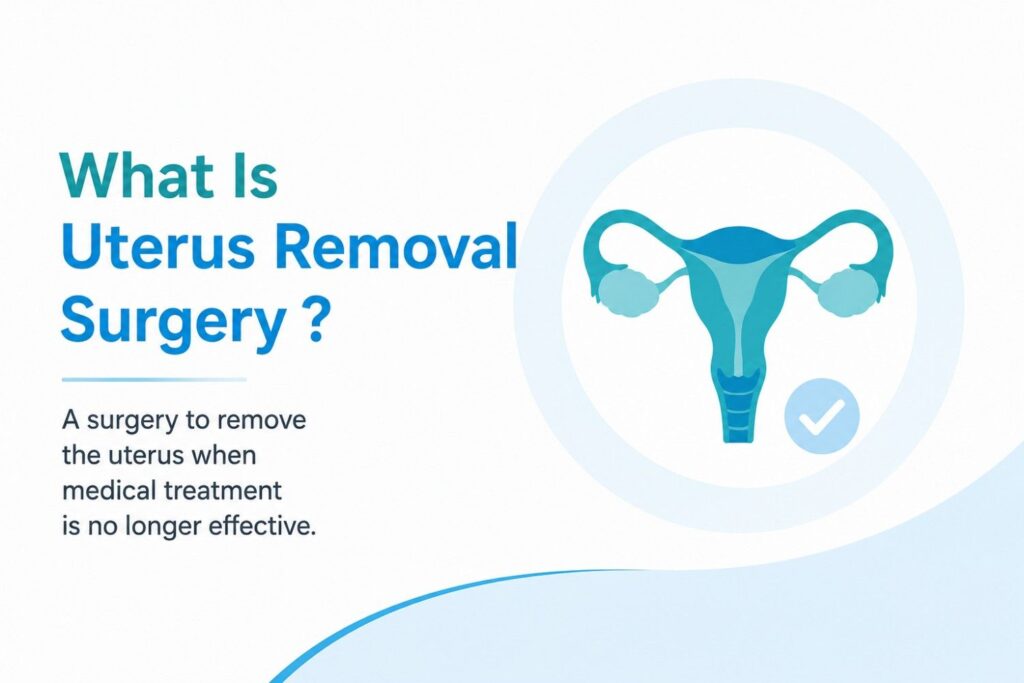
What Is Uterus Removal Surgery ?
Uterus Removal Surgery in Thrissur refers to a gynaecological surgery where the uterus is removed through a suitable surgical method. After this surgery, a woman will no longer have menstrual periods and will not be able to become pregnant.
The surgery may be planned only after proper evaluation, scans, lab tests, and discussion of symptoms. In many cases, doctors first try medicines or less invasive treatments. Uterus removal is usually considered when the condition is severe, recurring, affecting daily life, or not responding to other treatment options.
This procedure may be done through open surgery, vaginal surgery, laparoscopic surgery, or advanced minimally invasive methods depending on the patient’s condition.
Why Uterus Removal Surgery May Be Needed
Uterus Removal Surgery in Thrissur may be recommended for different medical reasons. The decision depends on the woman’s age, symptoms, health status, family plans, scan findings, and response to previous treatments.
Common reasons include:
- Large or multiple uterine fibroids
- Heavy menstrual bleeding
- Severe menstrual pain
- Adenomyosis
- Uterine prolapse
- Chronic pelvic pain
- Recurrent abnormal bleeding
- Certain ovarian or uterine conditions
- Precancerous or cancer-related concerns
- Failed response to medicines or other procedures
The need for surgery should always be decided after proper consultation with a qualified gynaecologist.
Common Symptoms That May Lead to Evaluation
Not every woman with menstrual problems needs surgery. However, certain symptoms should not be ignored. A doctor may suggest further evaluation if symptoms are severe or long-lasting.
Symptoms may include:
- Very heavy periods
- Bleeding between periods
- Long menstrual cycles
- Severe pelvic pain
- Pressure in the lower abdomen
- Frequent urination due to pressure
- Pain during intercourse
- Back pain linked with pelvic heaviness
- Feeling of something coming down through the vagina
- Anaemia due to blood loss
- Tiredness and weakness
- Repeated treatment without lasting relief
If these symptoms affect daily activities, work, sleep, or emotional wellbeing, medical evaluation is important.
Types of Uterus Removal Surgery
The type of Uterus Removal Surgery in Thrissur depends on the medical reason, uterus size, previous surgeries, patient health, and doctor’s assessment.
- Total Hysterectomy
In total hysterectomy, the uterus and cervix are removed. This is one of the commonly performed forms of uterus removal surgery.
- Subtotal Hysterectomy
In this procedure, only the upper part of the uterus is removed, while the cervix is left in place. This may be considered only in selected cases.
- Vaginal Hysterectomy
In vaginal hysterectomy, the uterus is removed through the vaginal route. It may be suitable in cases such as uterine prolapse or when the uterus size allows this approach.
- Laparoscopic Hysterectomy
Laparoscopic hysterectomy is a minimally invasive method where small cuts are made, and a camera-guided system is used. It may support smaller scars, less discomfort, and faster recovery in suitable patients.
- Abdominal Hysterectomy
In abdominal hysterectomy, the uterus is removed through a larger incision in the abdomen. This may be needed for large fibroids, complex conditions, or when minimally invasive surgery is not suitable.
Benefits of Proper Surgical Planning
Uterus Removal Surgery in Thrissur should be planned carefully. Proper planning helps the doctor choose the safest approach and prepare the patient physically and emotionally.
Benefits of proper planning include:
- Better understanding of the diagnosis
- Clear explanation of surgery options
- Lower chance of unexpected issues
- Suitable choice of surgical method
- Better preparation before admission
- Improved recovery guidance
- Reduced anxiety through counselling
- Proper follow-up after discharge
At Drs. GEM Hospital, diagnostic support such as ultrasound scanning and laboratory testing can help doctors assess the condition before treatment planning.
Diagnosis Before Uterus Removal Surgery in Thrissur
Before recommending Uterus Removal Surgery in Thrissur, the doctor may suggest a detailed evaluation.
This may include:
- Medical history review
- Menstrual history
- Pelvic examination
- Ultrasound scan
- Blood tests
- Thyroid and hormone evaluation if needed
- Pap smear when required
- Endometrial biopsy in selected cases
- Infection screening
- Anaemia assessment
- Review of previous treatment records
The purpose of diagnosis is to confirm the cause of symptoms and check whether surgery is truly needed.
How the Procedure Is Usually Done
The exact steps of Uterus Removal Surgery in Thrissur vary depending on the surgical method. In general, the patient is admitted to the hospital, assessed by the medical team, and prepared for surgery.
The usual process may include:
- Pre-surgery consultation
- Blood tests and scan review
- Anaesthesia evaluation
- Admission and preparation
- Surgery under anaesthesia
- Monitoring after surgery
- Pain control and medicine support
- Gradual movement and diet advice
- Discharge planning
- Follow-up consultation
The hospital team may explain fasting instructions, medicines to stop or continue, expected hospital stay, and recovery precautions before surgery.
Recovery After Uterus Removal Surgery in Thrissur
Recovery after Uterus Removal Surgery in Thrissur depends on the type of surgery, overall health, age, and whether there are other medical conditions. Laparoscopic surgery may allow faster recovery in suitable patients, while abdominal surgery may need a longer healing period.
During recovery, women may be advised to:
- Take medicines as prescribed
- Avoid heavy lifting
- Walk slowly as advised
- Keep the wound clean and dry
- Eat nutritious food
- Drink enough water
- Avoid strenuous work until cleared
- Attend follow-up visits
- Report fever, heavy bleeding, severe pain, or wound discharge
- Take enough rest
Most women gradually return to normal activities based on the doctor’s advice.
Emotional and Lifestyle Changes After Surgery
Uterus removal can bring emotional questions for many women. Some may feel relief from long-term symptoms, while others may feel anxious about body changes, fertility loss, or recovery.
Emotional support is important, especially if the surgery is done before natural menopause or due to a difficult health condition. Women should feel comfortable asking questions about:
- Menstrual changes
- Fertility concerns
- Sexual health
- Hormonal changes
- Recovery time
- Emotional wellbeing
- Long-term health care
If ovaries are removed along with the uterus, hormonal changes may be more noticeable. If ovaries are preserved, menopause may not happen immediately. This should be explained clearly by the doctor.
Maternity and Women’s Care
Women who visit for gynaecology care may also need pregnancy, postpartum, or child health support at different stages of life. For related pregnancy and delivery care information, you can read the detailed page on maternity hospital in Thrissur.

Conclusion
Uterus Removal Surgery in Thrissur may be recommended for women with severe bleeding, fibroids, adenomyosis, prolapse, chronic pelvic pain, or other gynaecological concerns that do not improve with other treatments. The decision should be made only after proper diagnosis, scan evaluation, lab tests, and consultation with a gynaecologist.
Drs. GEM Hospital supports women’s health with gynaecology care, advanced surgical facilities, laparoscopic services, diagnostic support, ultrasound scanning, laboratory services, pharmacy support, and follow-up care. For women considering Uterus Removal Surgery in Thrissur, clear medical guidance and proper preparation can make the treatment journey safer, more comfortable, and better understood.
Understanding how laparoscopic surgery is performed can help patients make informed decisions about minimally invasive treatment options and what to expect before and after the procedure.
FREQUENTLY ASKED QUESTIONS
Drs GEM Hospital, Thrissur
Drs GEM Hospital is a trusted healthcare centre in Thrissur known for comprehensive maternity care, advanced gynaecology services, and dedicated child health support. With more than four decades of medical service, the hospital focuses on safe pregnancy care, modern surgical procedures, and round-the-clock support for mothers and children.
The hospital provides patient-focused care supported by modern diagnostics, experienced healthcare professionals, and 24×7 essential medical services including laboratory, pharmacy, and ultrasound facilities.